Category Archives: Tutorials

Making-of my 1830 Dress Part 2 The Sleeves

I think that sleeves are the most exiting sleeves I´ve ever seen.  Some years ago when I started to sew historical clothing I couldn´t imagine to wear dresses from the romantic era or the 1880´s. At that time, I even decided never to sew dresses from that eras. I don´t know what happened, but I changed my mind and made some 1880´s dresses and I loved them! Searching the internet for inspiration I found the dress from the LACMA and felled in love with it! Let´s start sewing the sleeves!


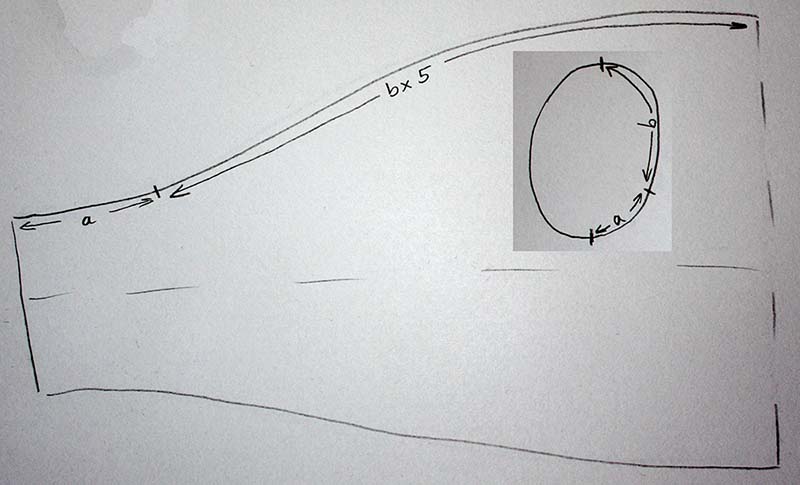
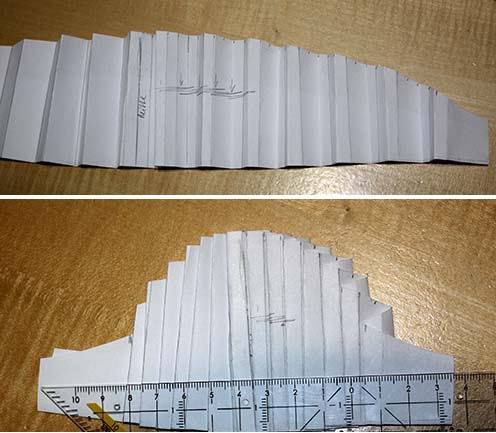
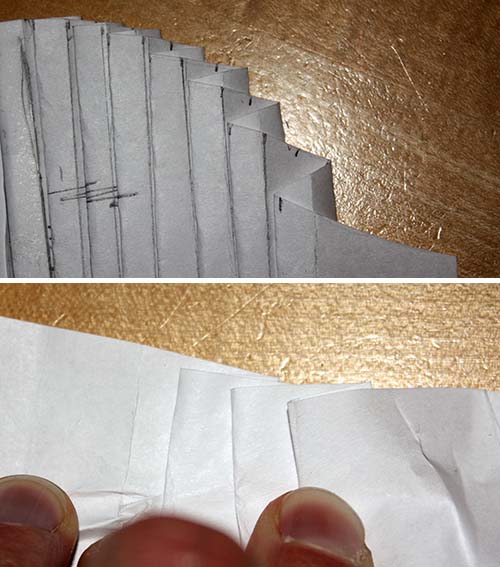
The sleeve pattern itself isn´t anything special. It´s just a pattern you would use to sew a puffed sleeve, it´s all about the folds! I´ll show you on a paper model. The length of the upper sleeve edge has to be the length of the underarm part where you don´t have folds, plus the upper part with the folds multiplied by 5. Length of upper edge = (2 x a) + (2 x b x 5). We have 15 folds, so depth of one fold is (2 x b) : 15


IMG_3636


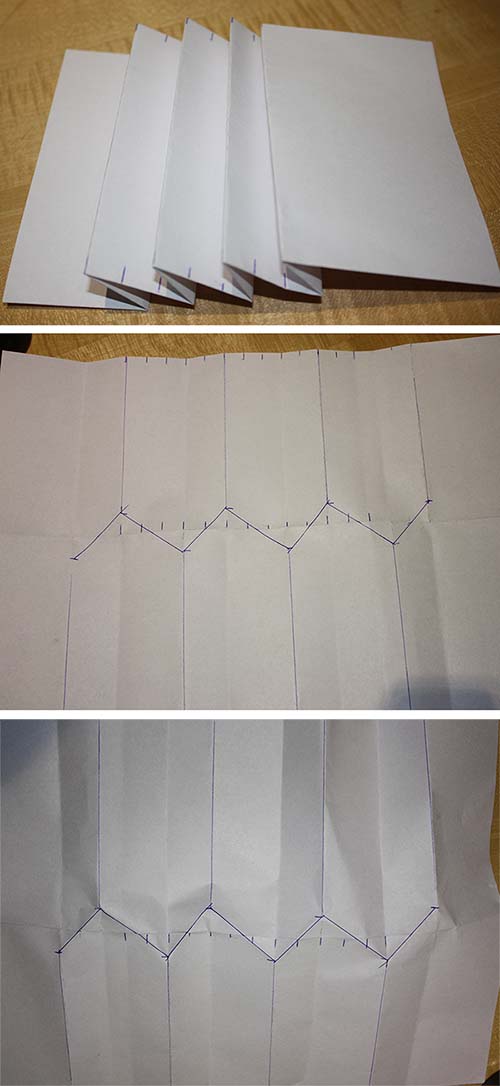
First fold your sleeve lengthwise to the half, wrong sides together and press a little bit, not too strong because later on you don´t need that fold. You have calculated the depth of the folds before, now fold the double layer of fabric overlapping as shown and press.


IMG_3437

IMG_3441


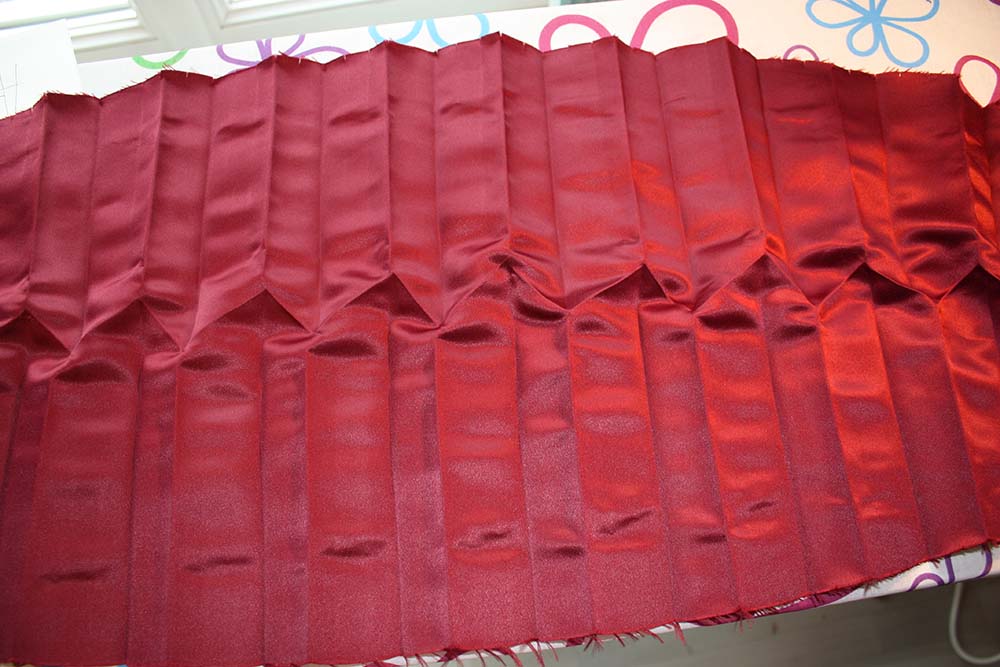
Open the sleeve and lay it flat on a table. At all “hills” you mark 1,5cm from the half-line and fold diagonal “hills”-folds with the help of the iron. The 2nd picture shows how it looks like on fabric.


IMG_3627  IMG_3600


Close the fold´s again along the upper edge. Shift all corners to give the edge a straight finish, so the sleeve opens better when finished. Baste all folds in place. Do the same with the lower edge, it´s just the opposite direction to lay the folds.


IMG_3443


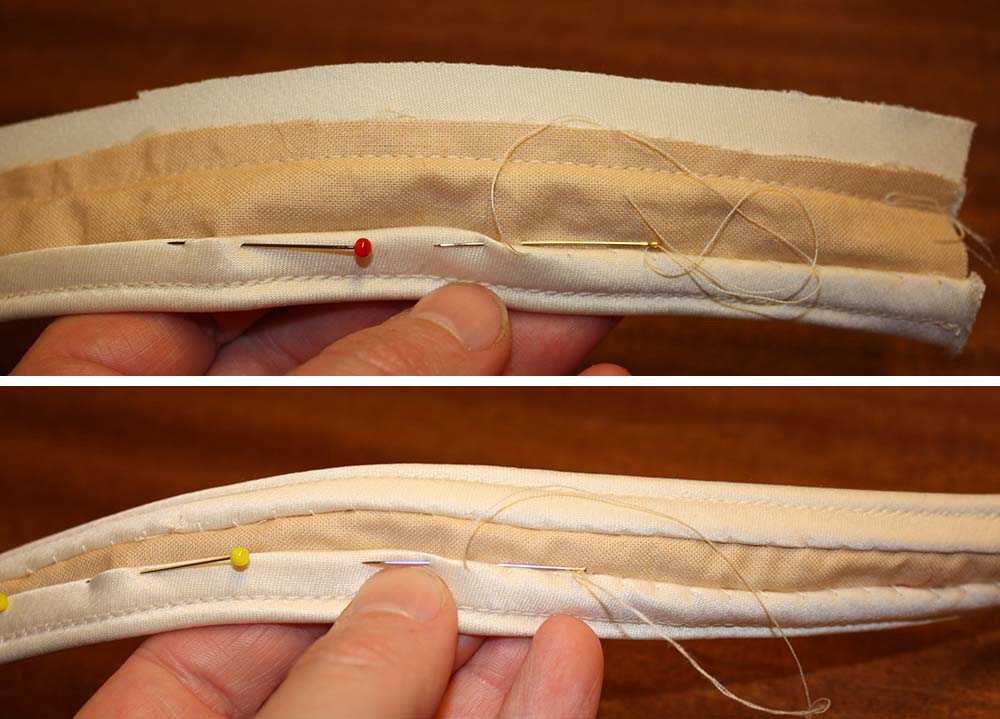
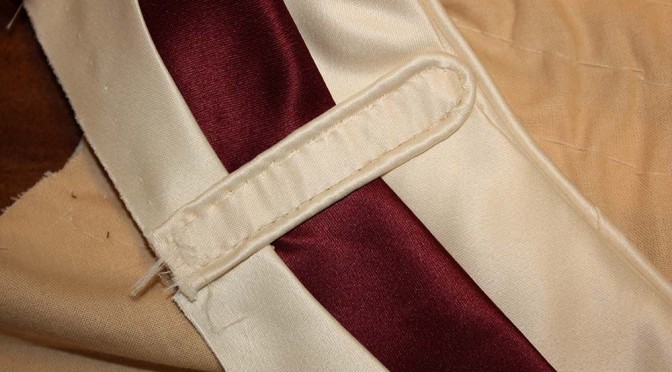
Sew a piped band to the lower edge of the sleeve

IMG_3605

IMG_3601


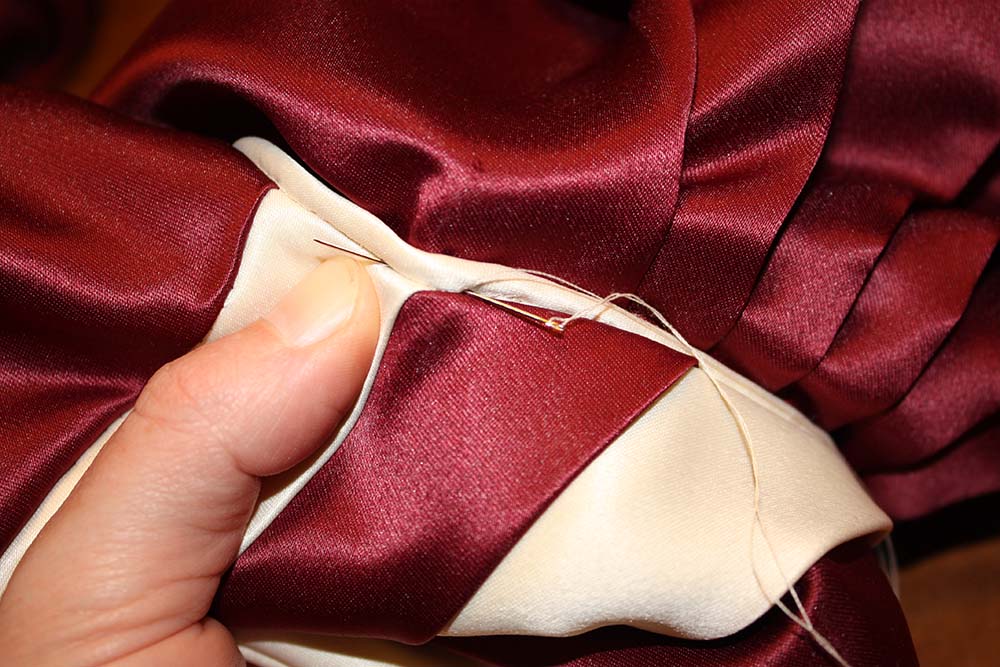
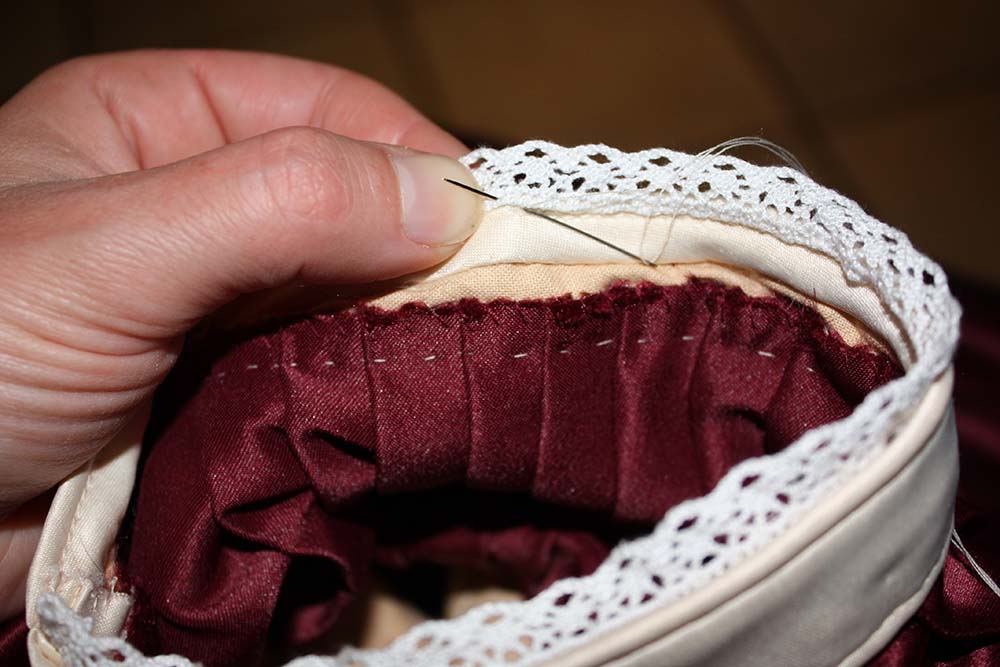
Insert the sleeve into the armhole. Add lace along the bottom edge.

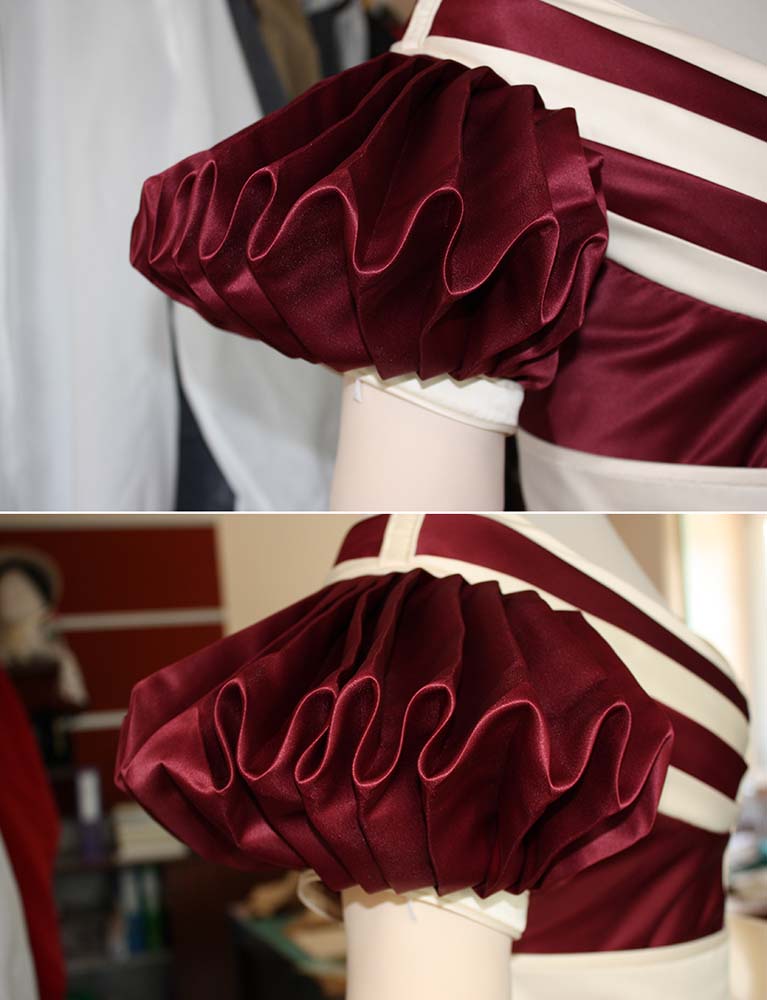
Attatch thin tapes, about 15cm long, to the highest shoulder point and to the inside of the sleeve tape vis-a-vis the sleeve seam. Tie the tapes to loop up the sleeve as desired.


IMG_3604

IMG_3634

IMG_3640


Got to Part 1 or Part 3


Making-of my 1830 Dress Part 1 The Bodice

Do you know the 1830 dress from the LACMA? I´m talking about the pink evening dress with that amazing sleeves: 1830 Evening Dress
Fashion plates too show dresses with that kind of sleeves. But how to make them? The pictures from the LACMA really have a high resolution, but doesn´t show every detail to understand the sleeves.
Finally I found this pictures: 1st 2nd
They gave me all Information I needed!


The fabrics used to make the original dress are silk sateen and silk organza. This are informations from the museum homepage. I think a silk georgette was used, because the fabric is less transparent than organza would be.


I think the sleeves are made from sateen covered with georgette, I´m not sure if the skirt is made the same way. For the bodice stripes of fabric, cut on the bias, are mounted. First I thought they where mounted on a cotton bodice, like later dresses would be, but it seems that the lower part of the bodice is just made from georgette. Neckline and armhole are piped.


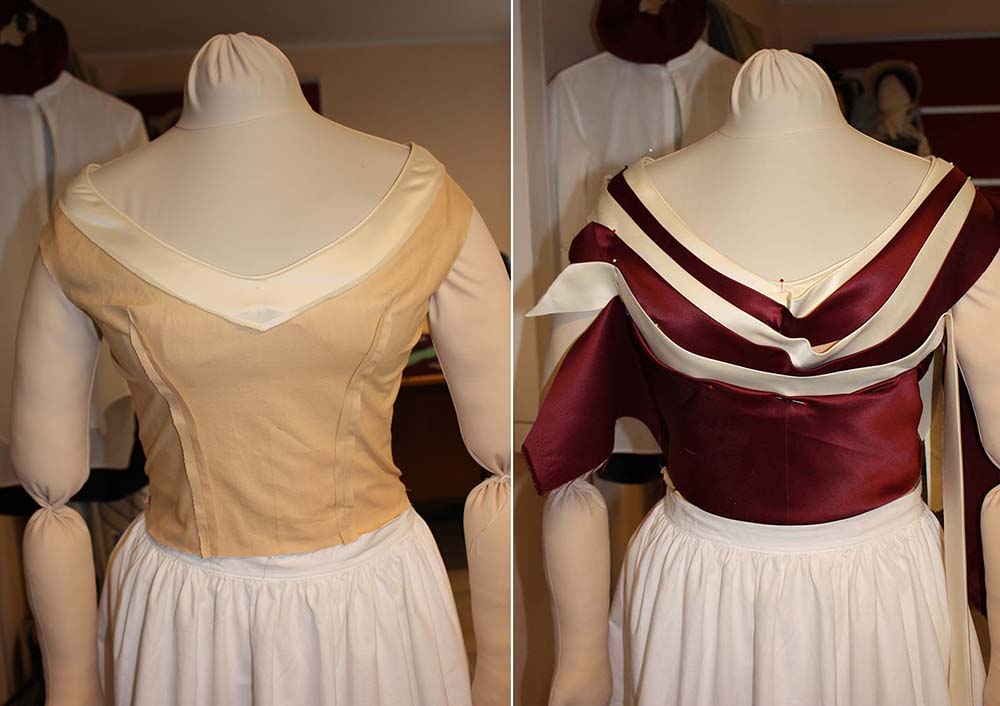
I decided to use a basic bodice made from glazed Cotton to mount the stripes. The pattern I took from my 1845 dress. The dress fits quite well so I didn´t had to made any alterations.

I decided to make the dress from sateen in ivory and burgundy. Why I didn´t used a georgette? Because I was a little bit under time pressure to finish the dress and there was no time left to find a matching georgette,


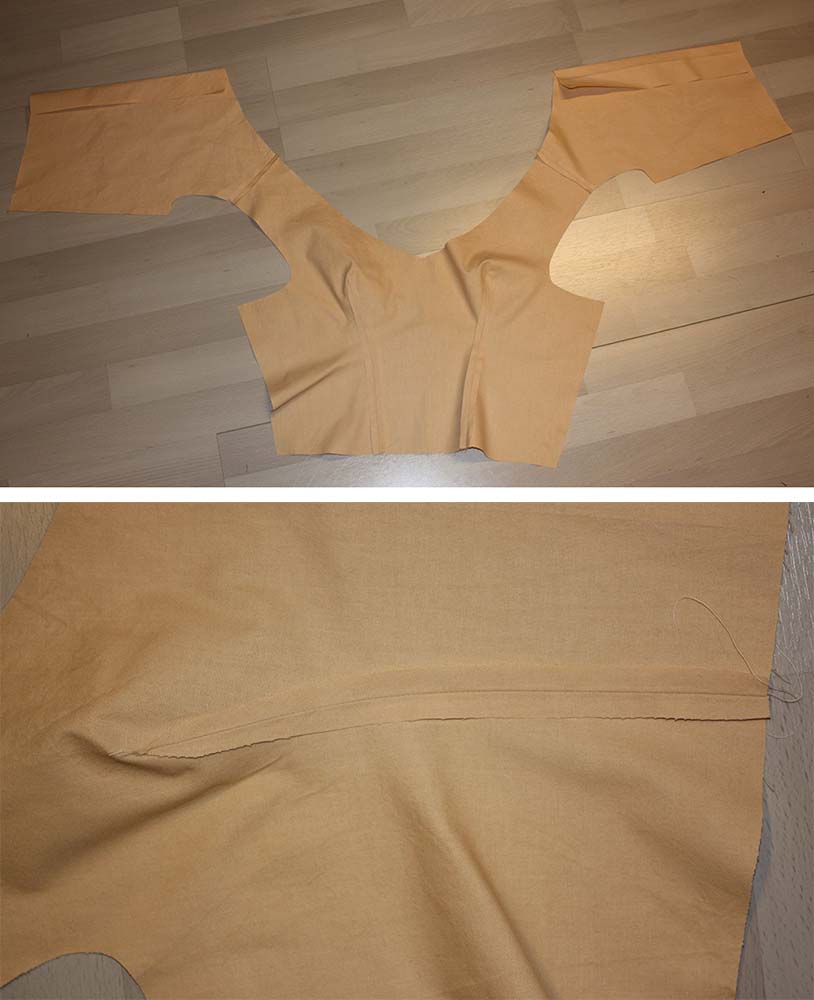
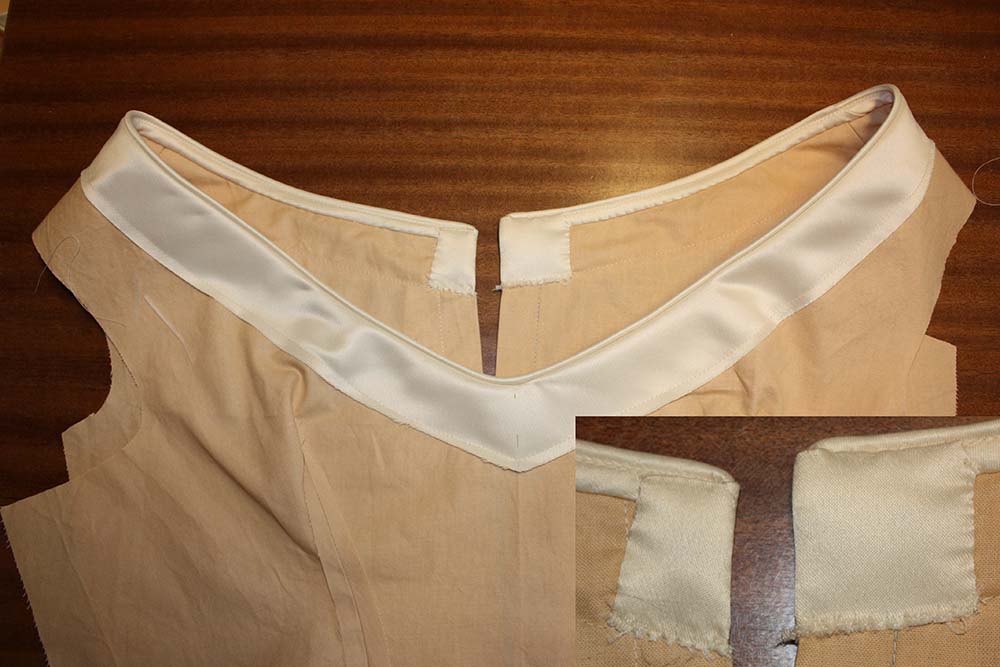
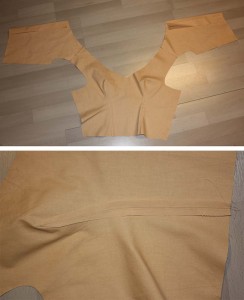
Let´s start sewing! Just close the darts and the shoulder seams. Cut the darts and press for less bulk. Turn in and topstitch facings at the center back, allow 2cm at the left side for a underlap.
 

IMG_3566


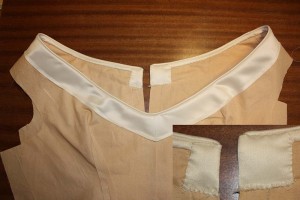
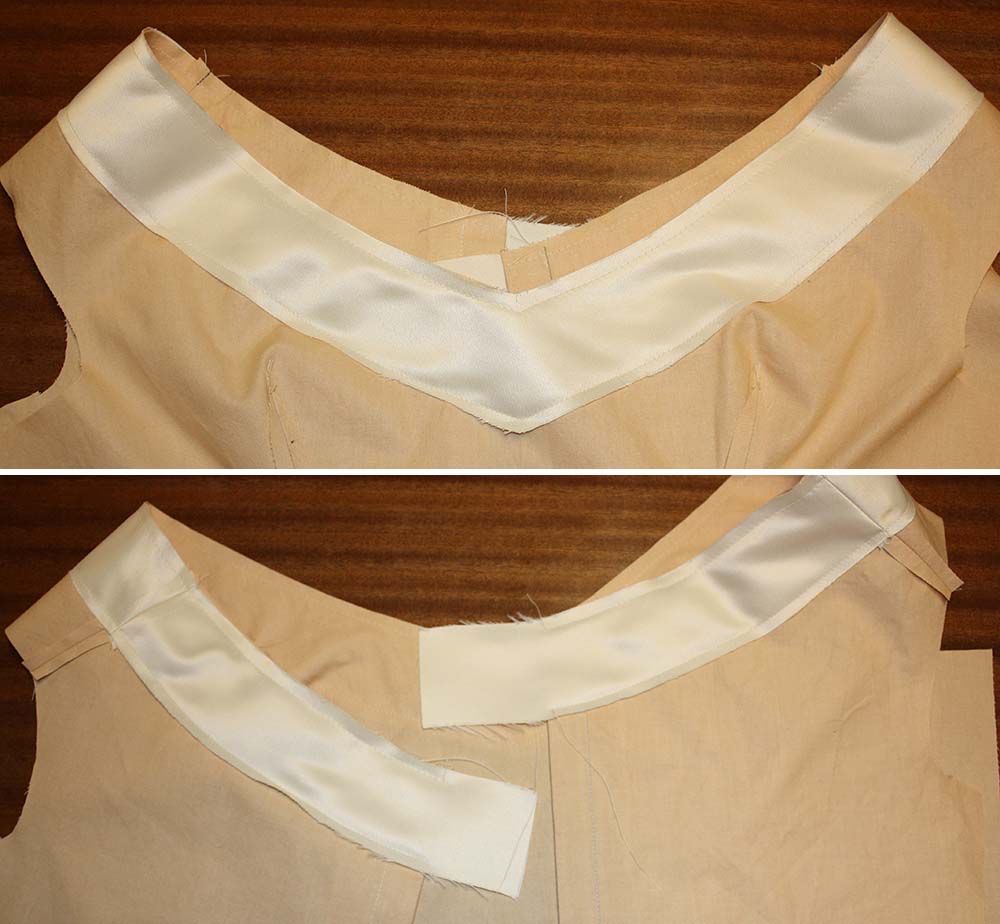
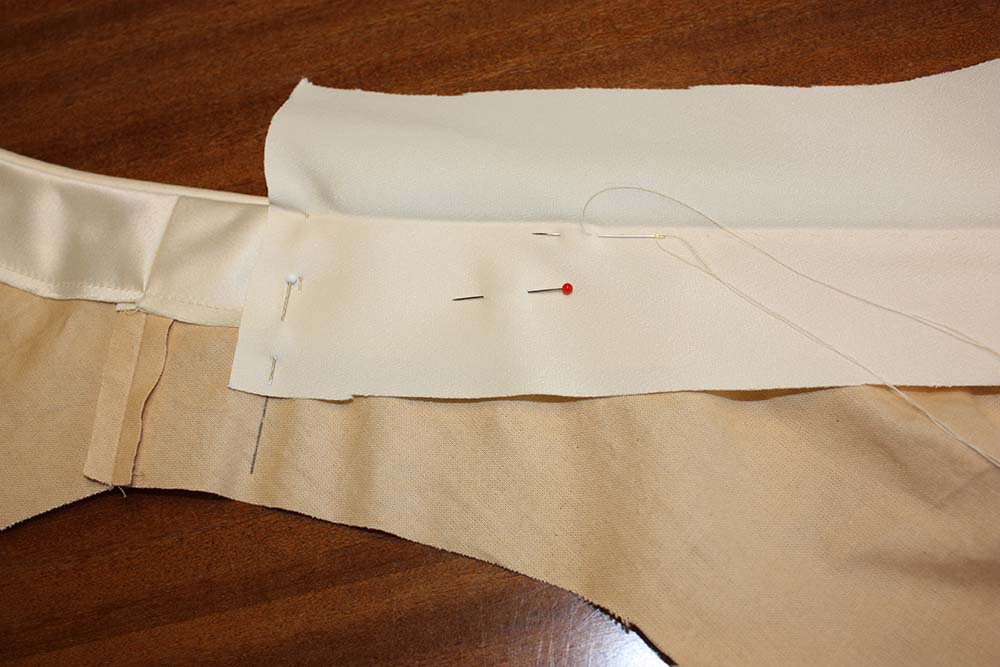
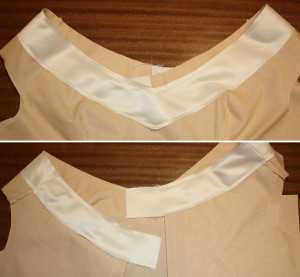
Wrong side up attach a 2″ wide facing around the neckline.
 

IMG_3570


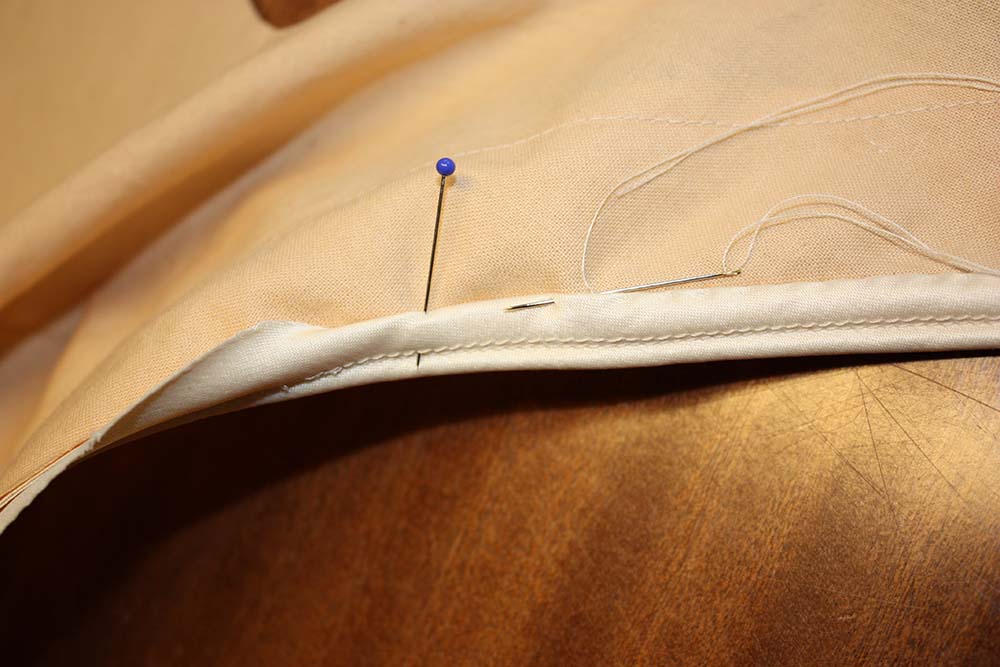
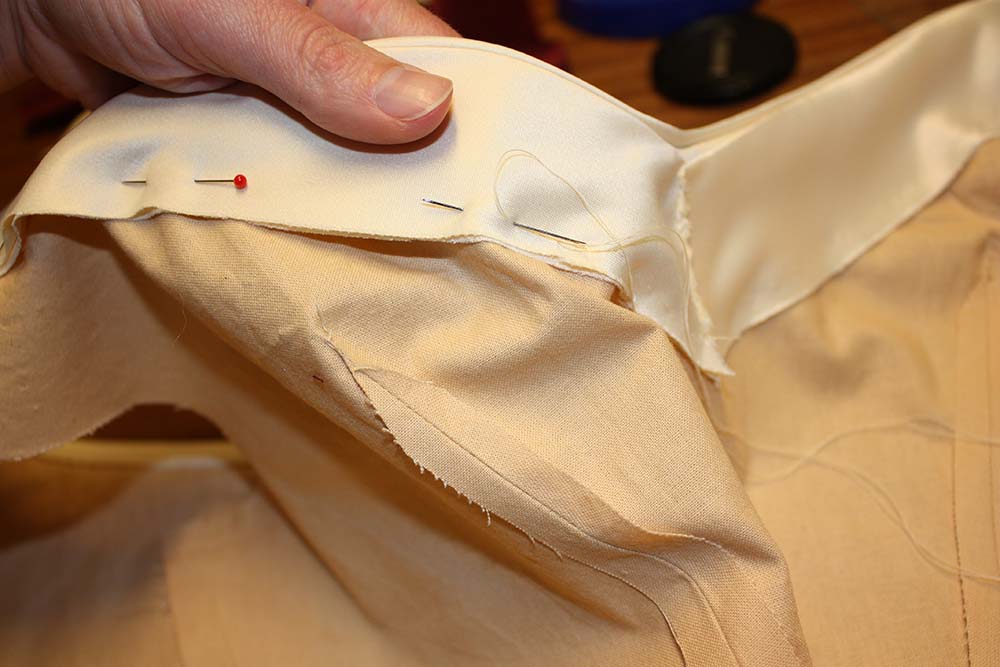
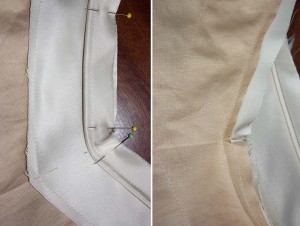
Sew your piping around the neckline. Trim the seam allowance of the bodice, the facing and the inner seam allowance of the piping. Nocht the seam allowances at the center front. Fold the upper seam allowance from the piping around and sew just to the cotton bodice. Fold over the facing at the back and stitch down.
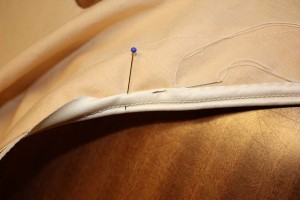
 

IMG_3572

IMG_3577

IMG_3578


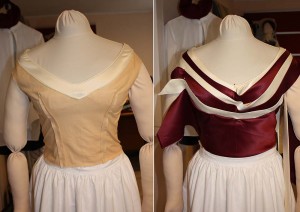
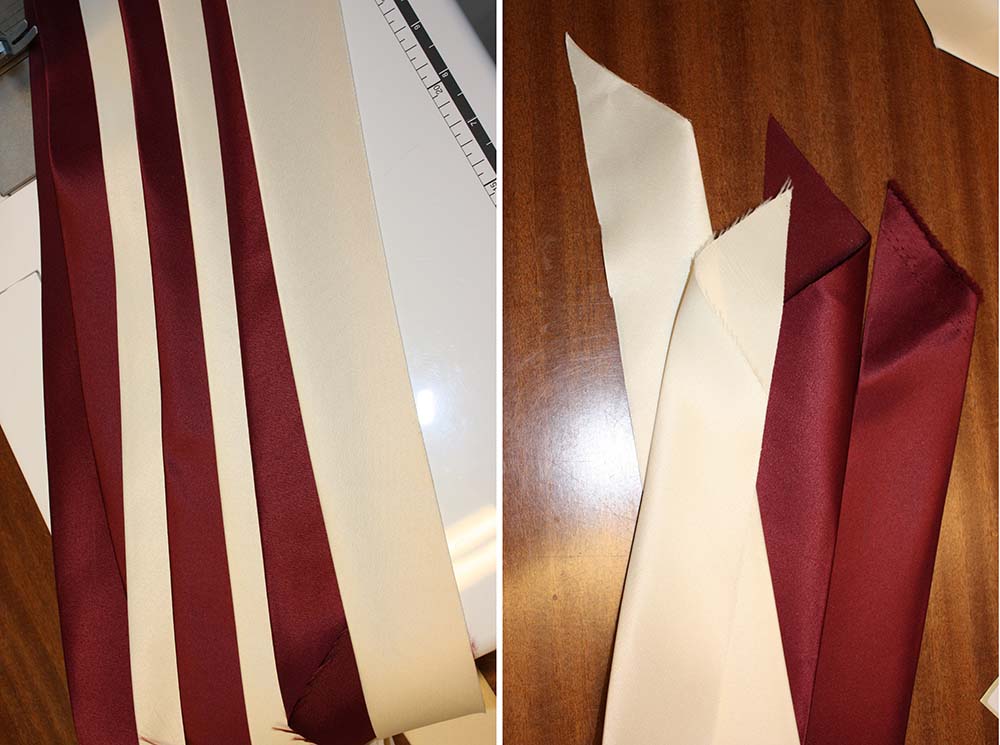
Prepared bias straps in ivoy and burgundy, folded lenghtwise, wrong sides togehter and pressed, width is now 5cm. The 2nd picture shows the straps pinned to the bodice to see how it looks like.  Decided to make the straps 3cm at the shoulderand 2cm wide at the center front.
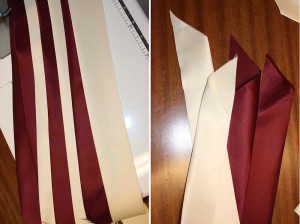
IMG_3580

IMG_3582


The first ivory strap is folded open and sewn to the bodice along the neckline. As you can see I shifted the shoulder point to the front, to the highest point of the shoulder. Then I sewed the strap along the bottom edge to the basic bodice.
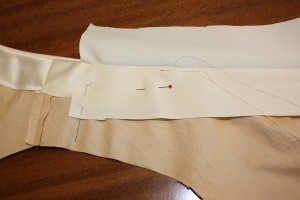
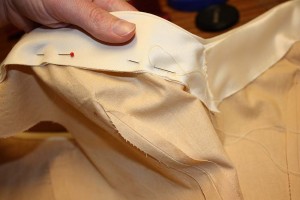
IMG_3585

IMG_3586


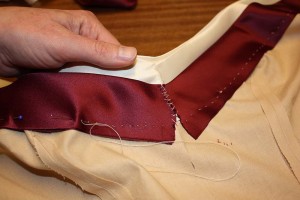
The 2nd strap in burgundy is sewn to the basic bodice just along the bottom edge. The top edge is left loose. Give the straps enough room for the breast. Don´t make thight stitches. At the center front fix straps with some stitches.
IMG_3587


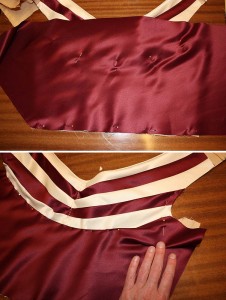
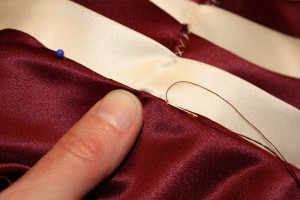
In the sam way sew the rest of the straps to the bodice. The lowermost piece is cut on the bias too, then pinned to the bodice. Draw the outline directly on the fabric incl. 1cm seam allowance at the top edge and cut out. Fold in the seam allowance at the top edge and sew to the 5th strap. Baste along the remaining edges to the basic bodice.
IMG_3588

IMG_3588IMG_3590


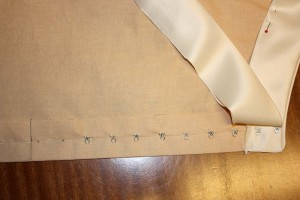
At the back sew straps to the bodice in the same way, overlap 1cm at the shoulders. At the left side mark center back (underlap is 2cm) and attatch eyelets first. At the right side form an overlap with the straps. Hooks can be attatched later. Sew along the right center back with small stitches through all layers.
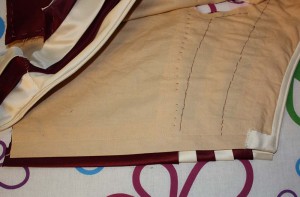
IMG_3591

IMG_3593


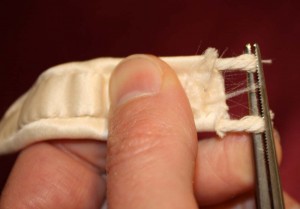
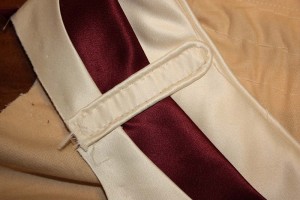
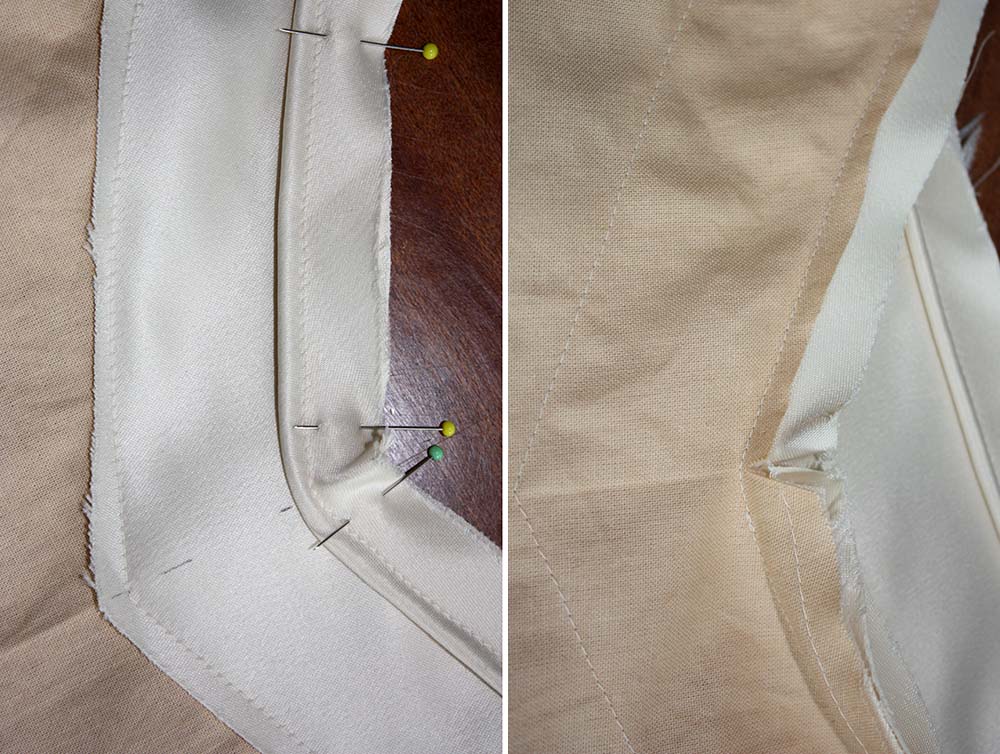
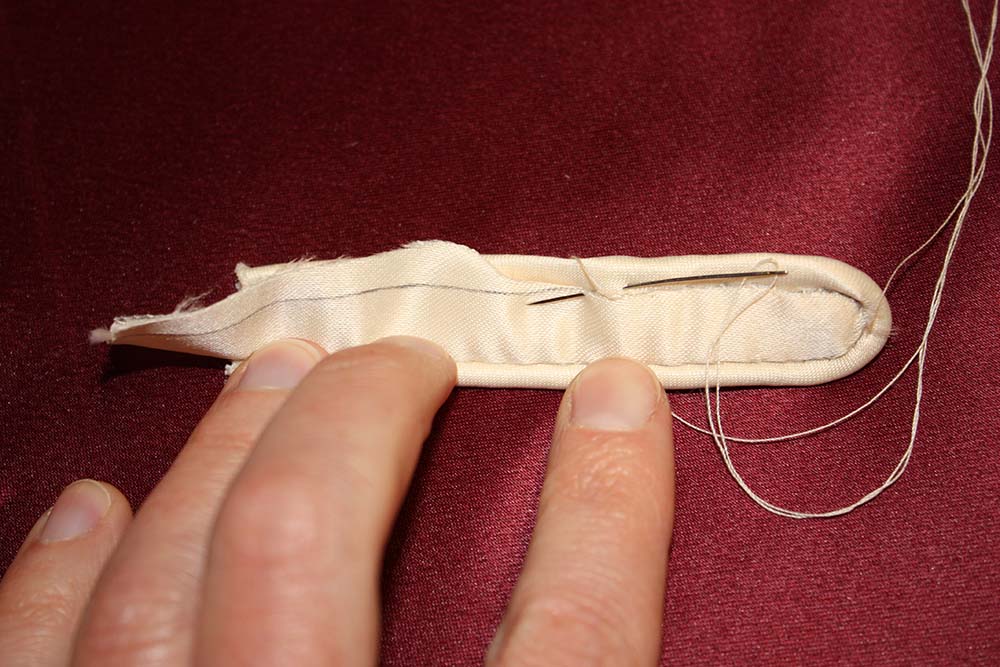
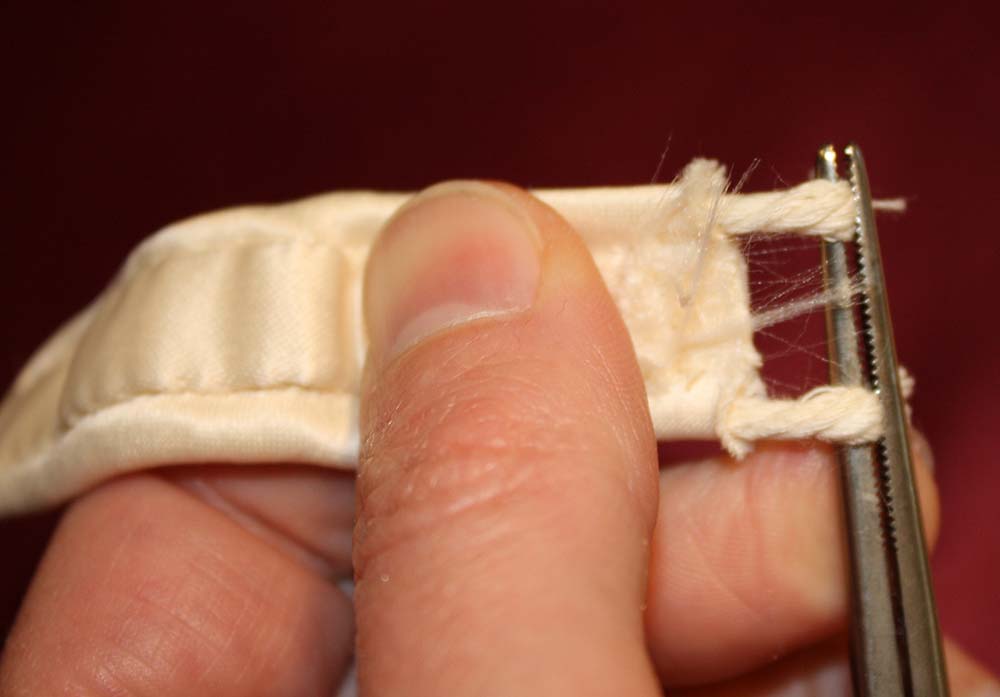
Sew piped epaulettes, 1cm wide. This is quite tricky and I have no idea to make it better then shown below. Before you sew the epaulettes to the shoulders pull out the piping and cut off the seam allowance to avoid bulk. Sew the epaulettes to the highest point of the shoulder covering the raw edges of the straps.
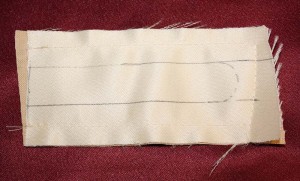
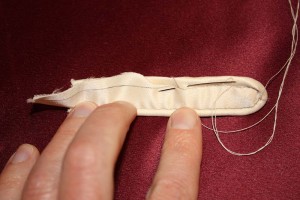
 

IMG_3594

IMG_3595

IMG_3596

IMG_3598


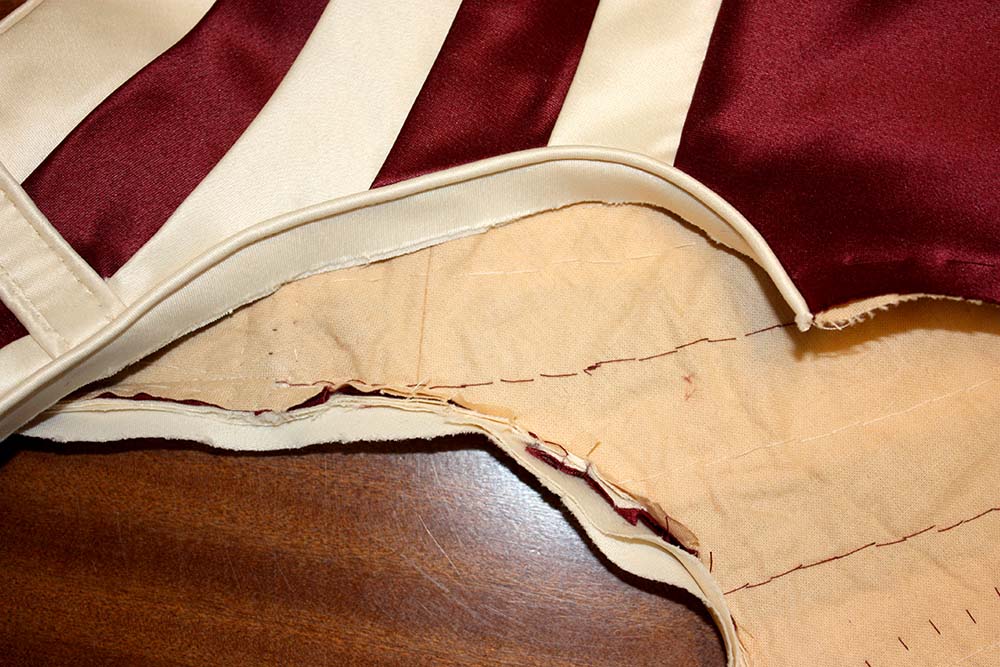
Before closing the side seams attatch a piping band to the armhole. Trim inner seam allowances, fold over the outmost and sew to the bodice like you did before with the neckline.
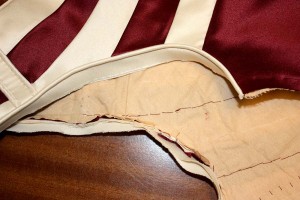
 

IMG_3599


Next time I´ll show you the sleeves… Part 2


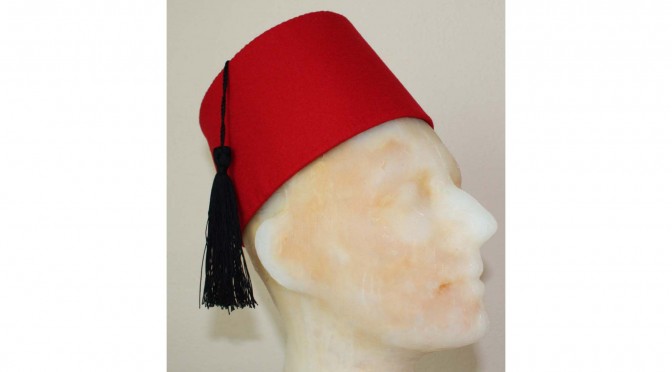
How to make a Fez

Download the pattern. Print with 100% scale and join the two pattern pieces. The original pattern size is for a 56cm head circumference.


Part1, Part2

Material needed:

piece of buckram
reed
red wool fabric
lining fabric
tassel (klick for tutorial)
waxed cotton thread
grosgrain ribbon


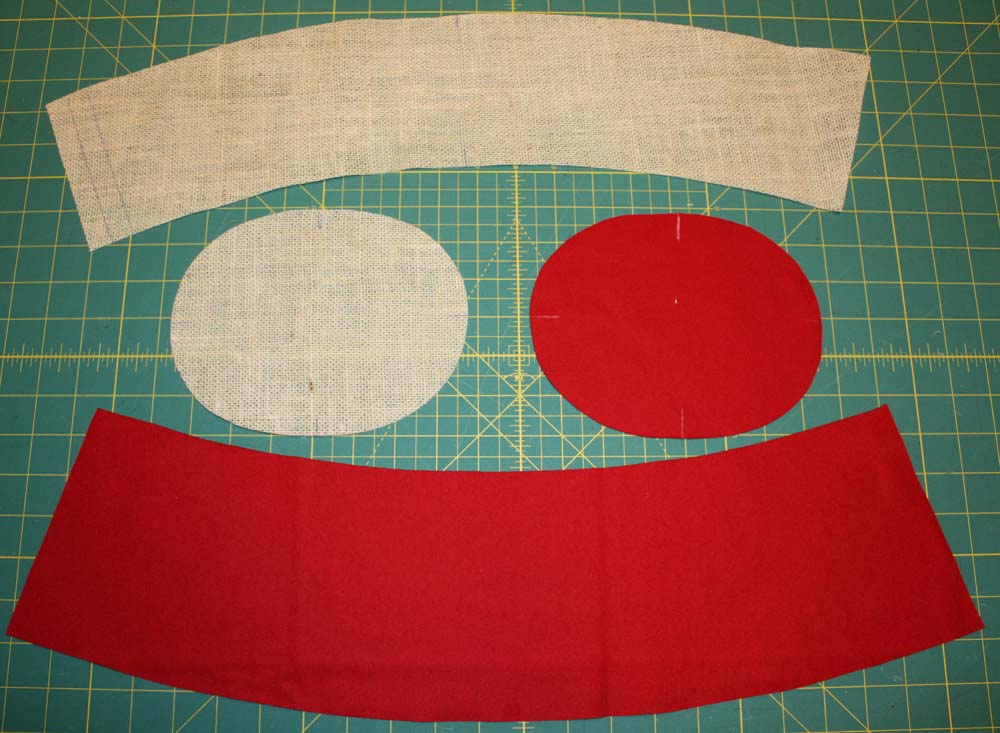
First cut top and crown from fabric and lining with seam allowances.

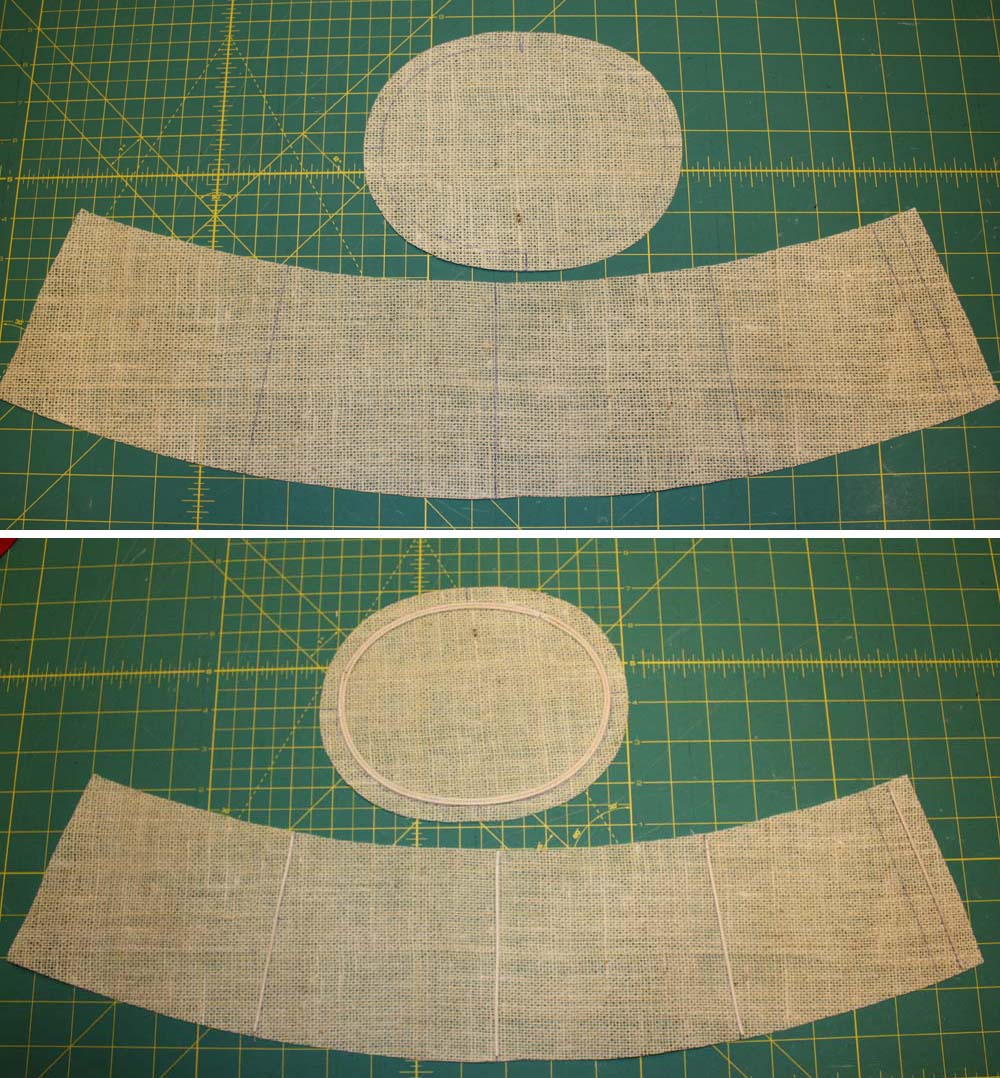
From buckram cut top with seam allowance all the way around, the crown without seam allowances at the top and bottom edge, leave seam allowance at the back for joining.

IMG_3222


Transfer marks for the reed exactly. Use two rows of reed at the top, stay within the markings that the top fits better inside the crown. The reed can be sewn along the edges by hand or by machine with a zigzag stitch. Shift joints of the two rows for more stability.

IMG_3223


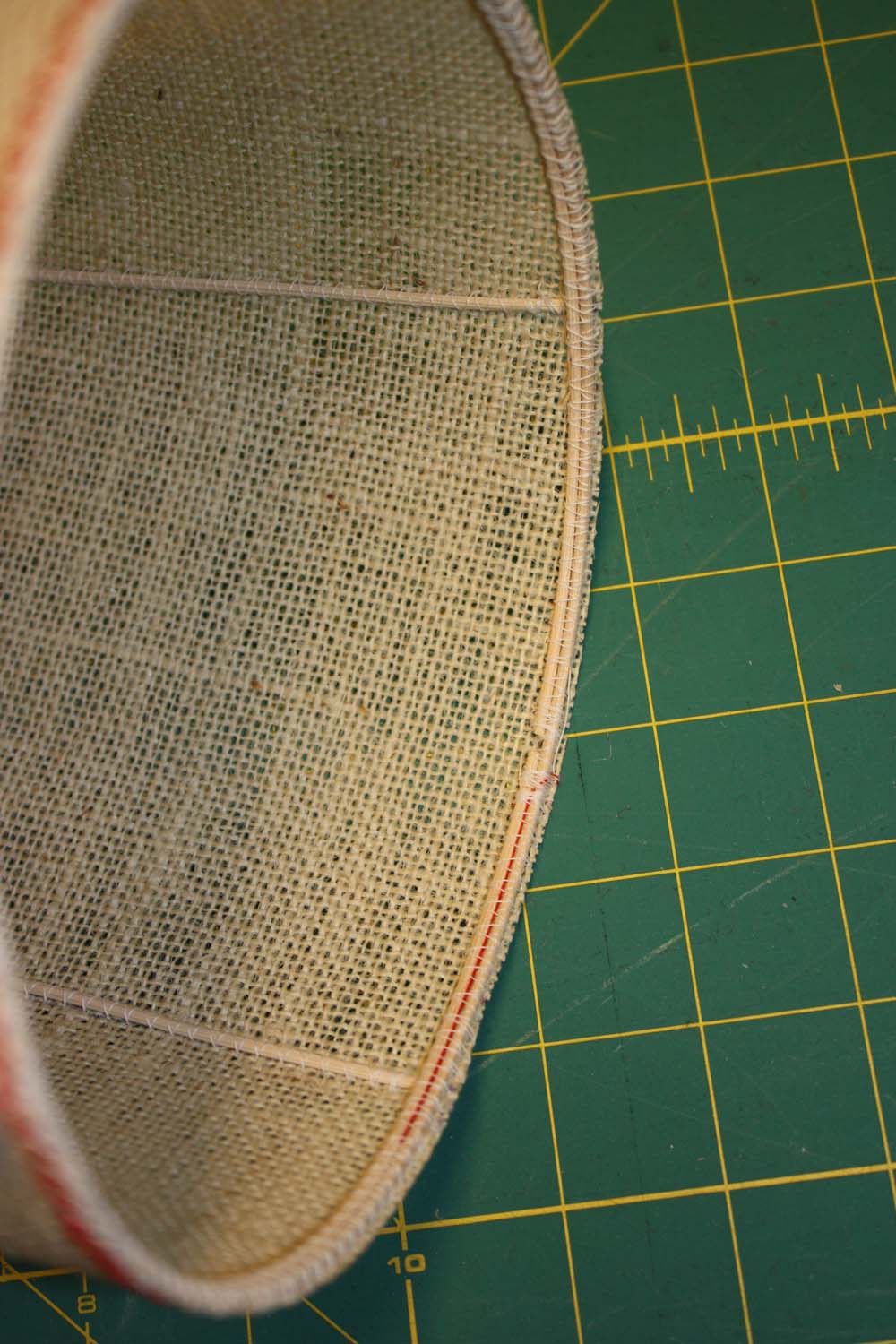
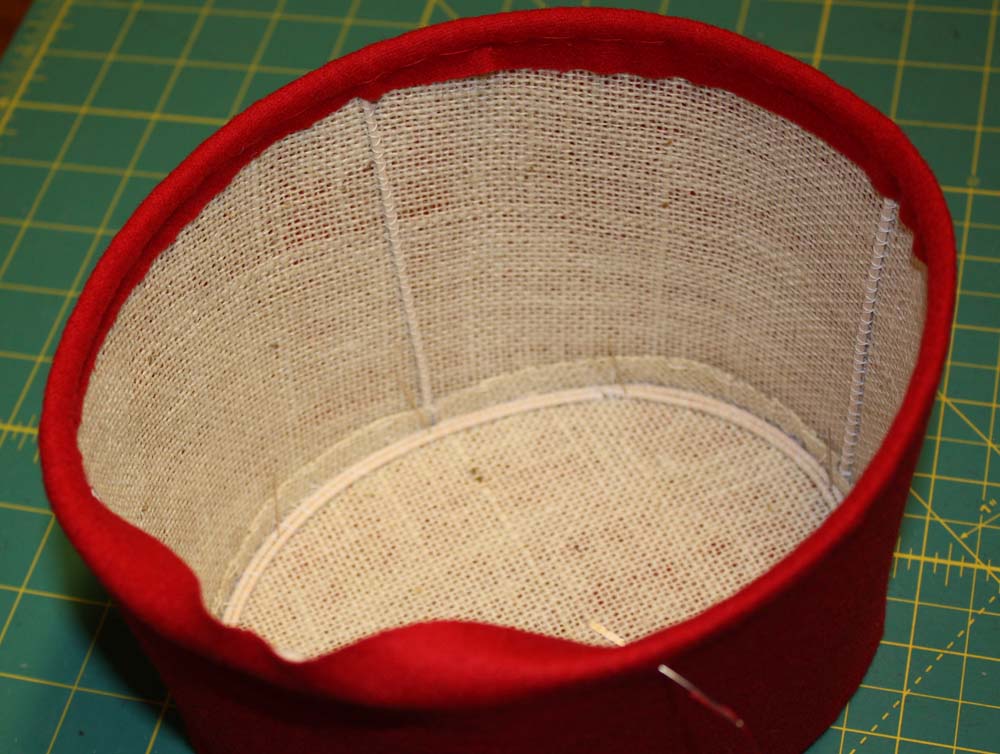
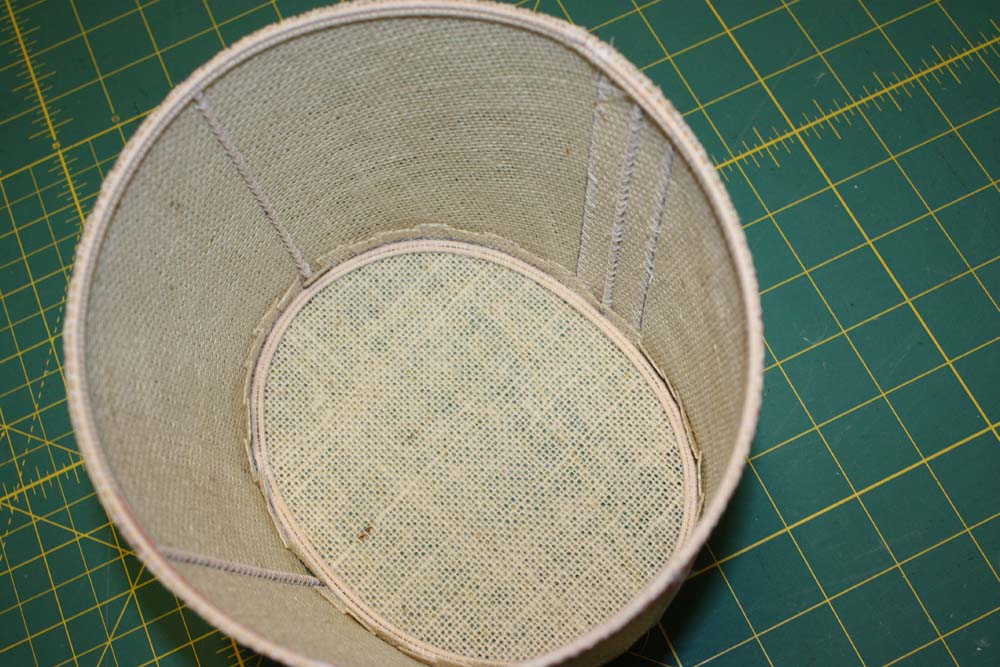
At the crown place four bars of reed then close the crown. The seam has to overlap at center back that you won´t see it later at the finished bonnet, overstitch both edges.  Sew two rows of reed to the inside of the bottom edge of the crown, shift joints as you did before.

IMG_3225 IMG_3226


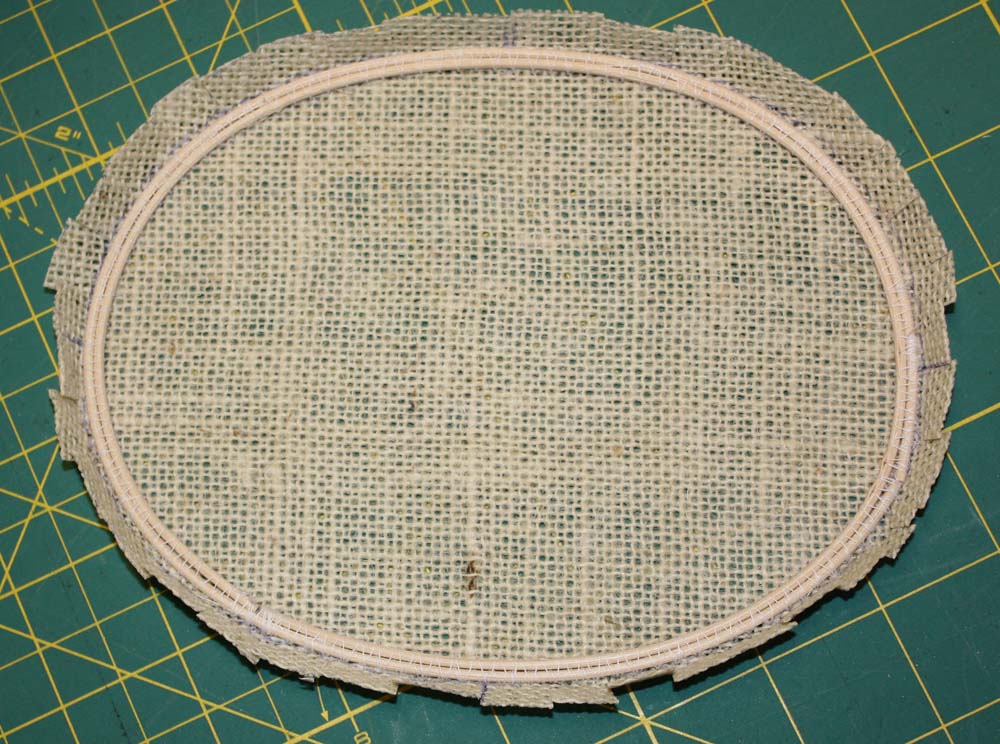
Clip seam allowance of the top and insert top to the crown. Join with hand stitches with a waxed cotton thread.

IMG_3227

IMG_3229


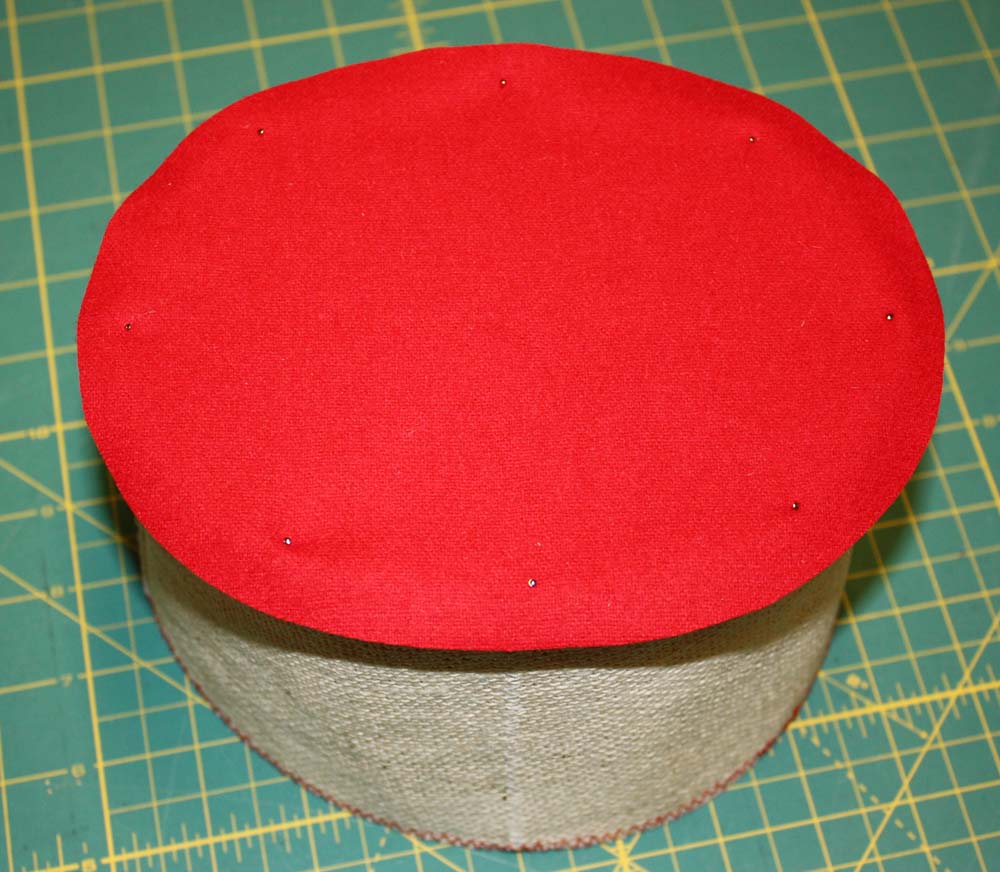
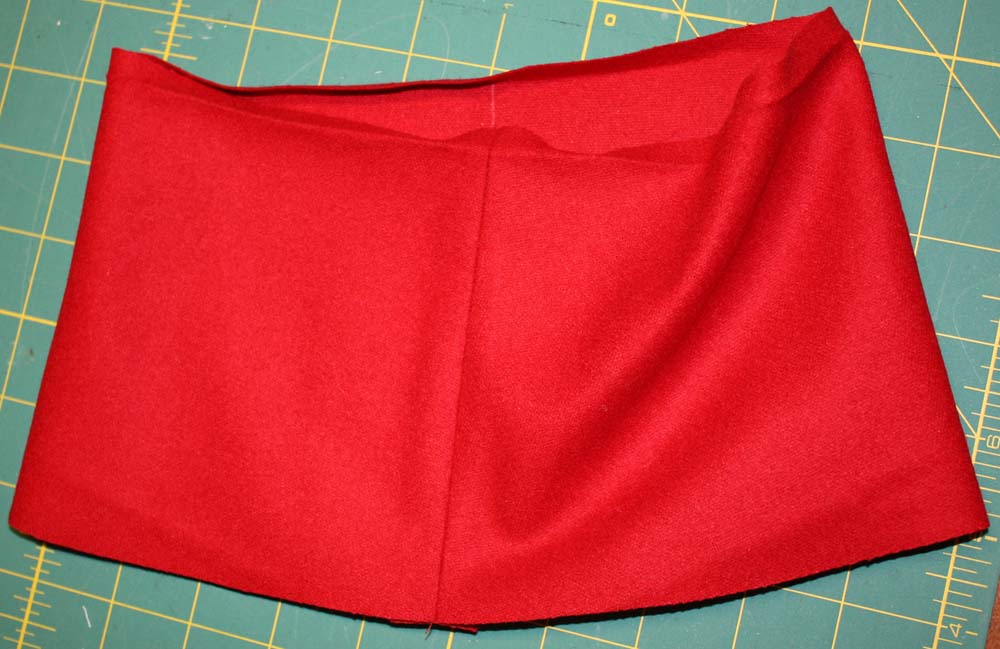
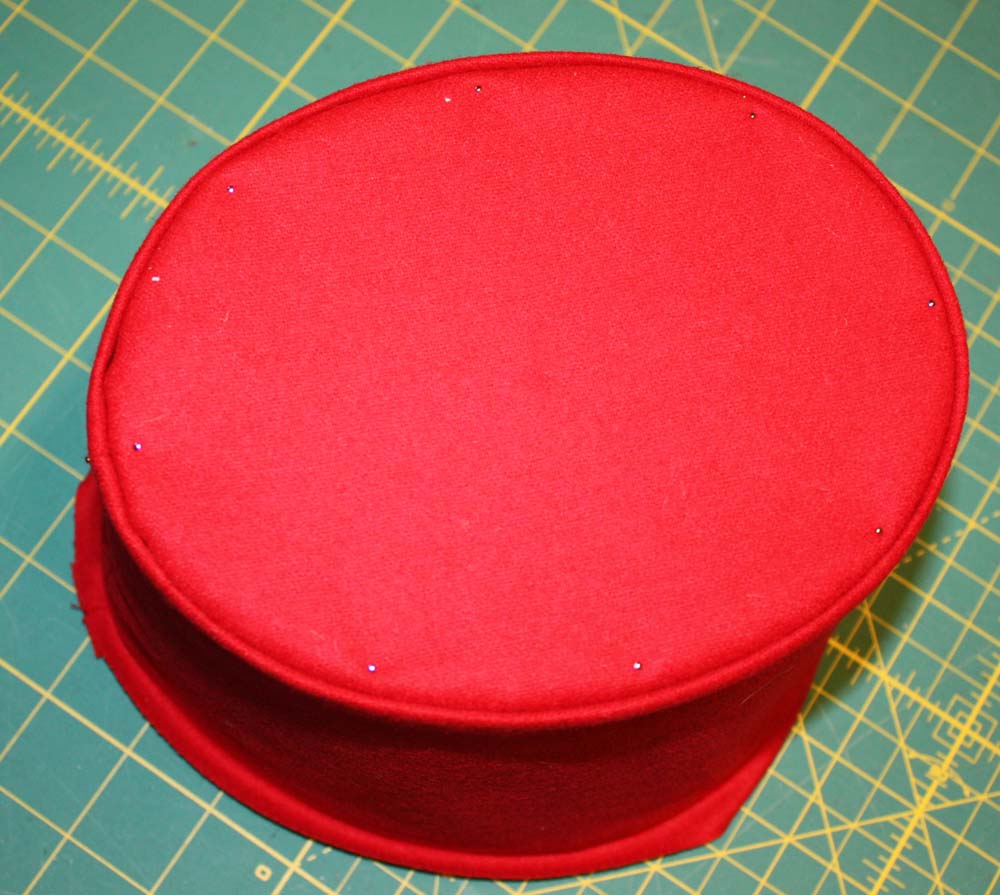
Line up fabric top with the buckram and pin. Close fabric crown at the center back, press open seam allowances. At the top edge fold seam allowance (1cm) towards inside and press. Pin crown to the top respecting marks and sew with small stitches with a matching thread.

IMG_3230

IMG_3231

IMG_3232


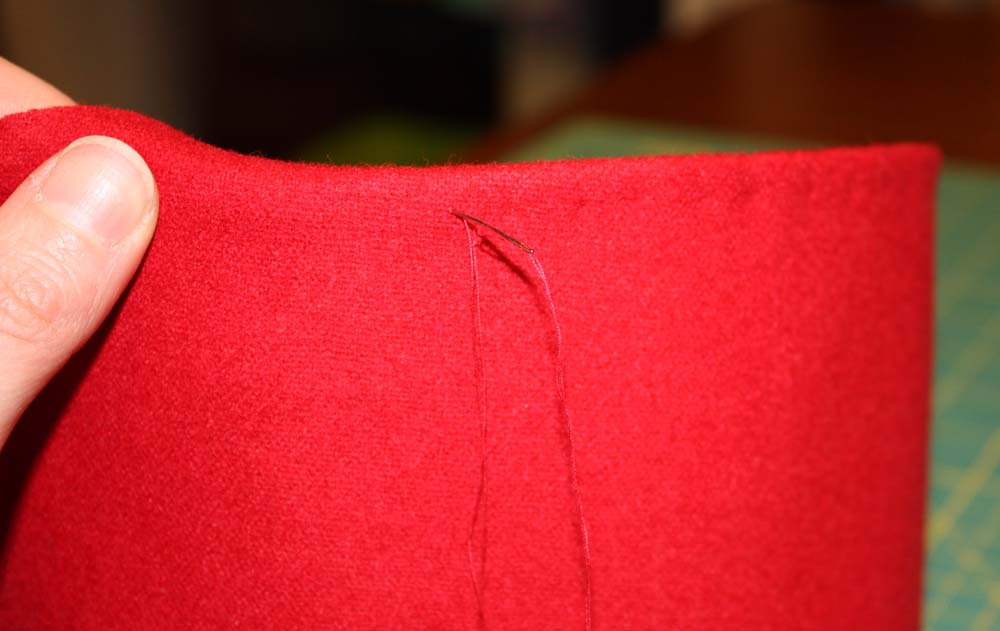
At the bottom edge fold excess fabric towards inside and sew through all layers with nearly invisible pick stitches.

IMG_3234

IMG_3236


Prepare tassel and sew to the center top.


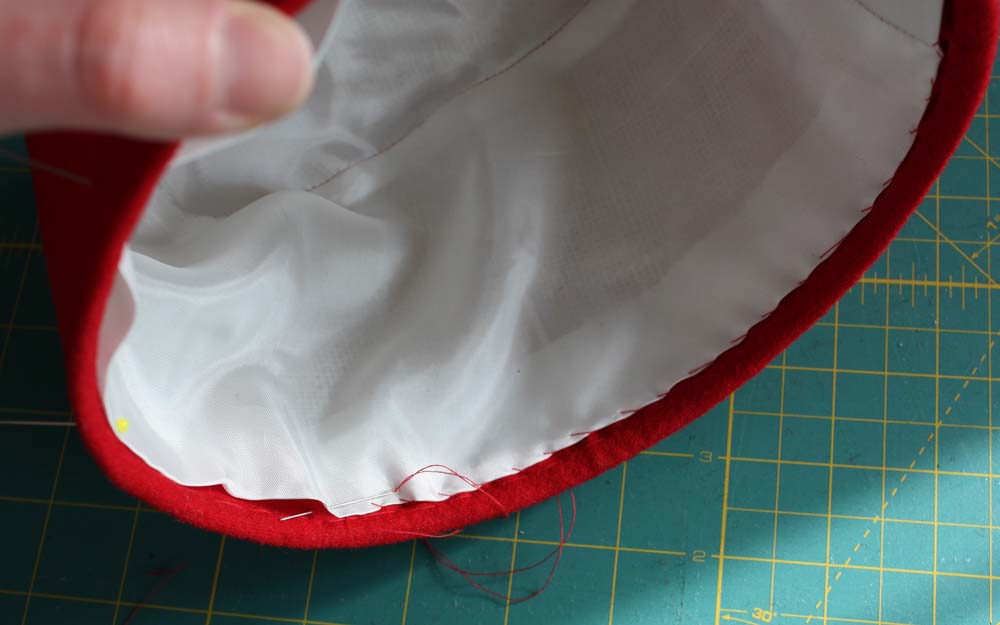
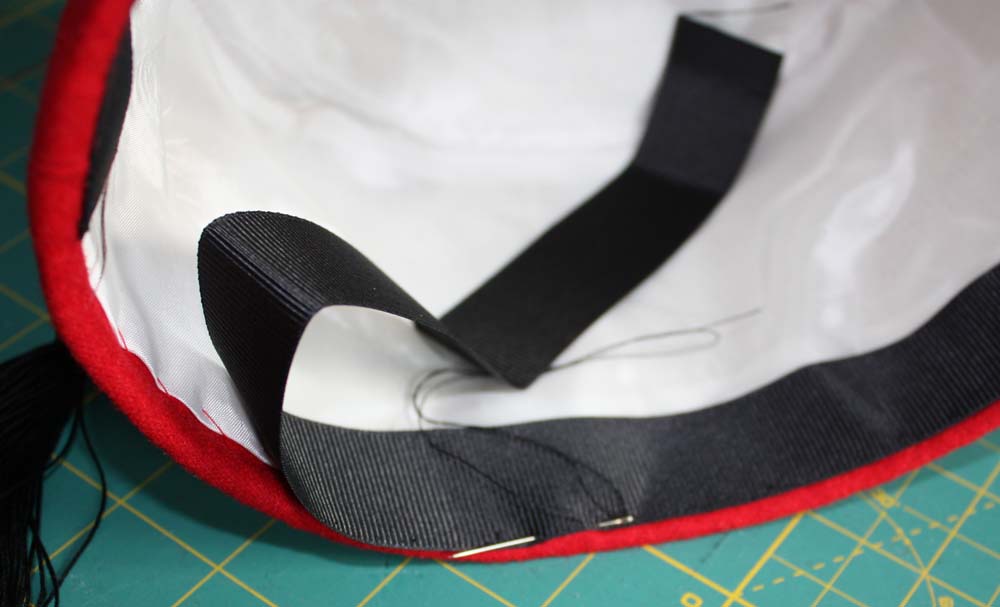
Sew together the lining pieces and put into the hat, sew along the bottom edge. Place a grosgrain ribbon to the inside of the bottom edge and join with small stitches.

IMG_3243

IMG_3244


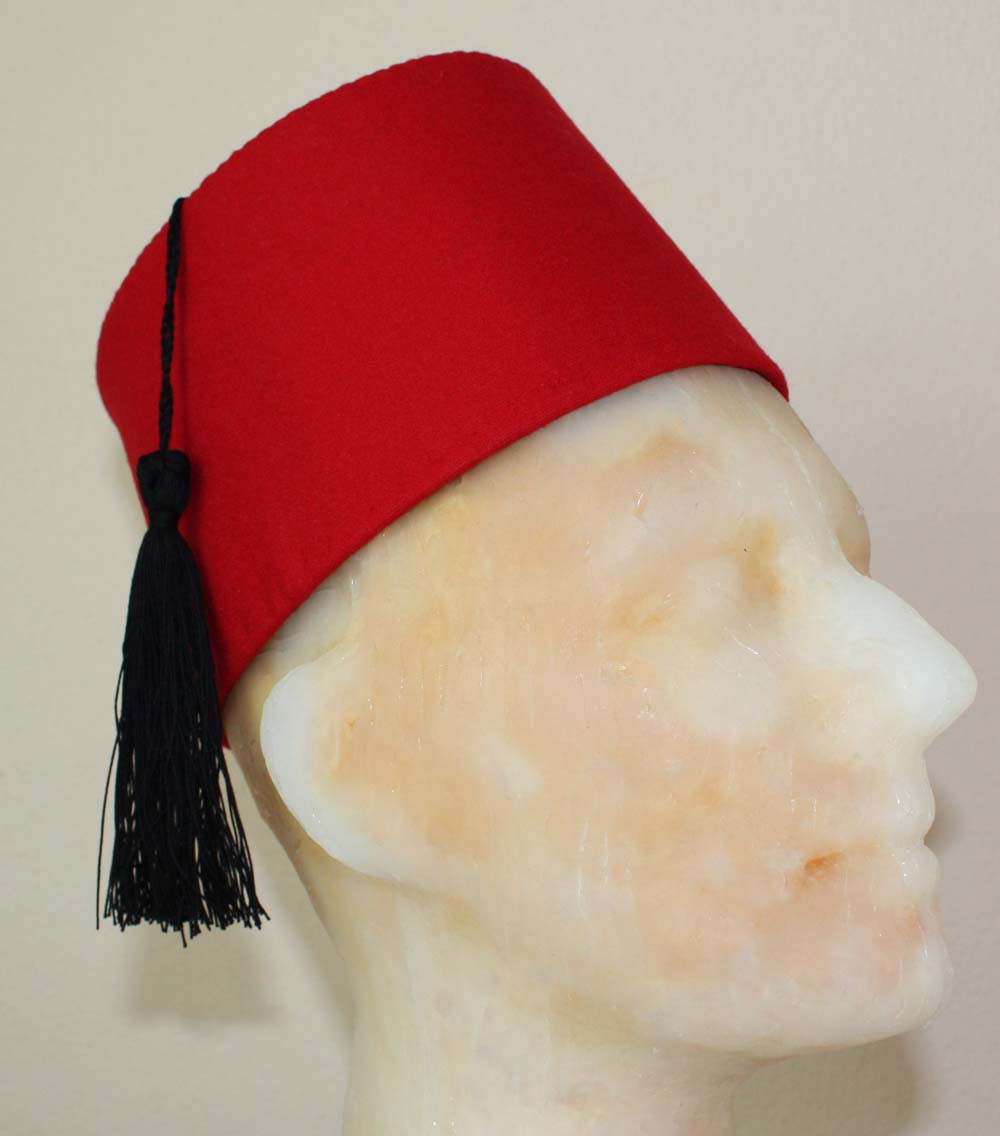
Finished!


IMG_3247

How to make a knotted Tassel

Take piece of cardboard or anything else suitable for the length of your tassel. Wrap thread around the cardboard several times. Cut one side, make a knot with an extra thread at the center.


IMG_3237


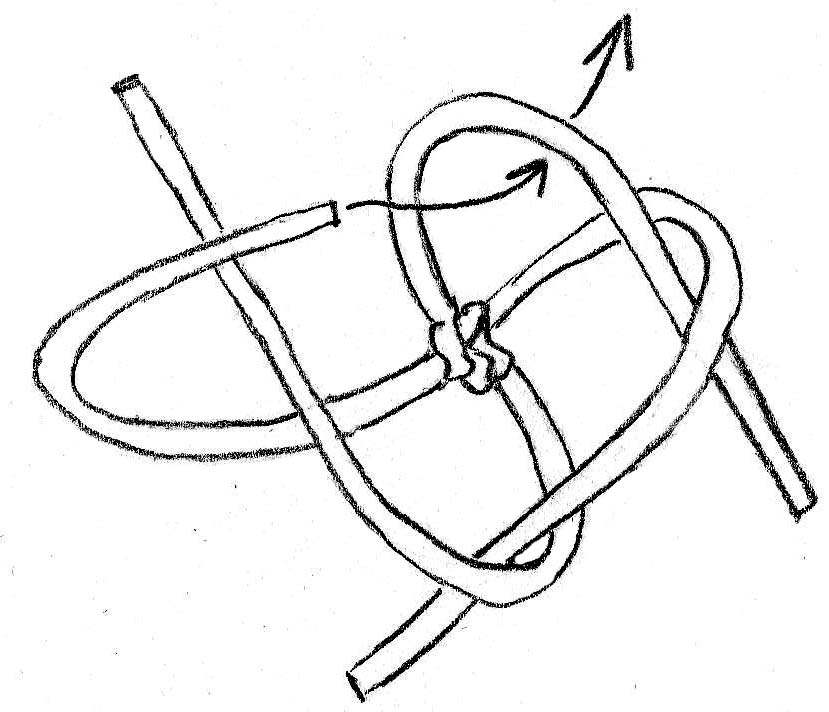
Divide into four braids, knot like shown on the diagram.

IMG_3239Knoten für Bommel


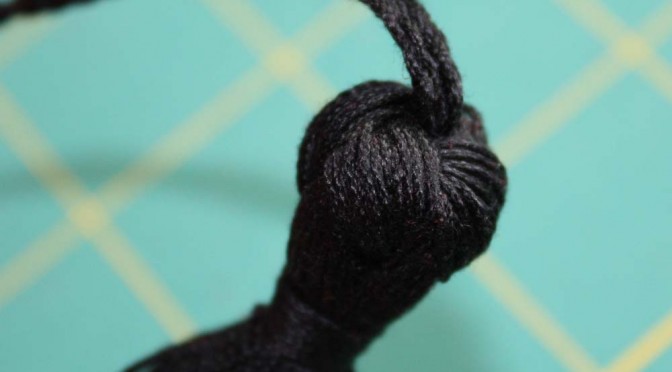
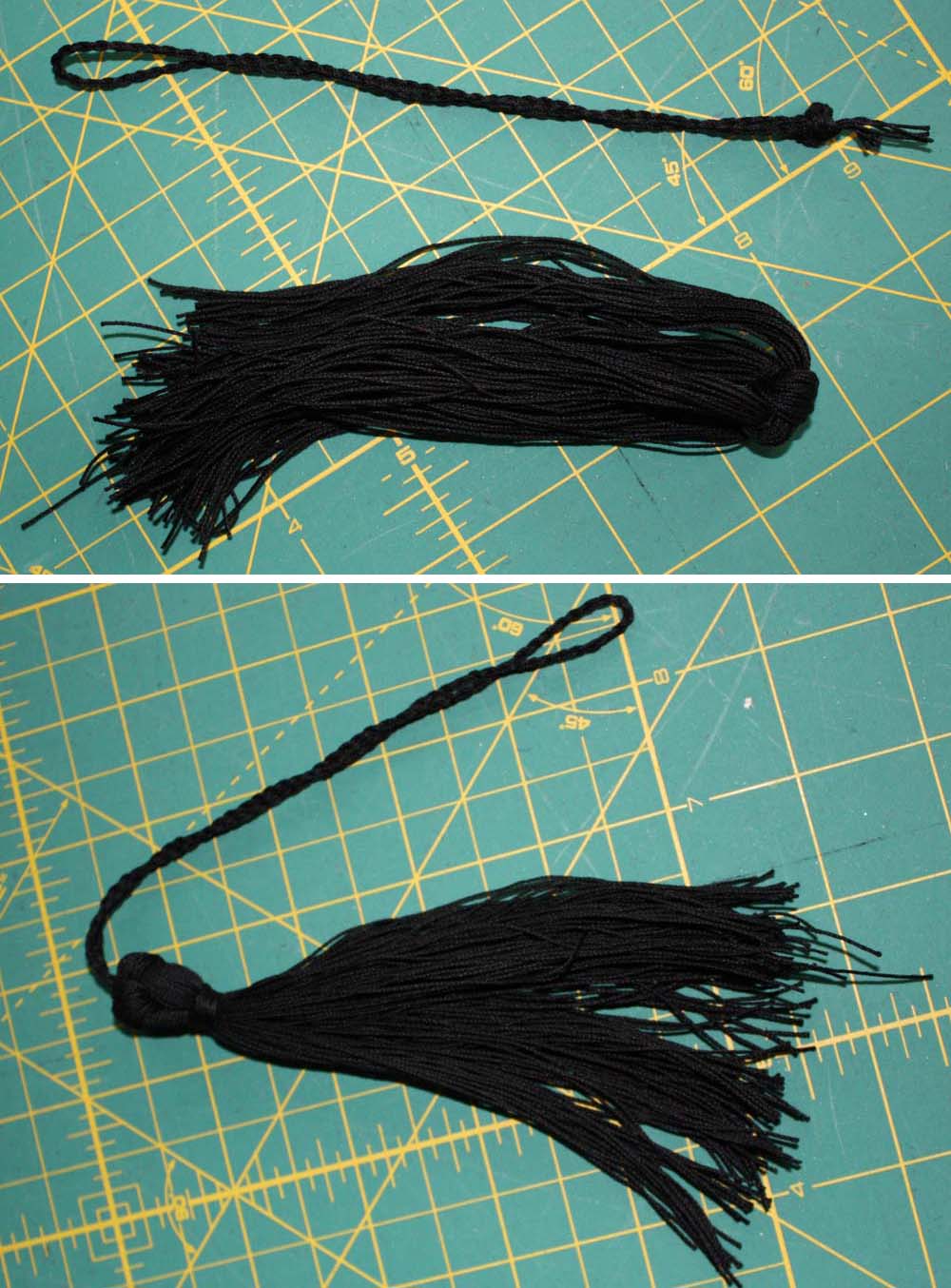
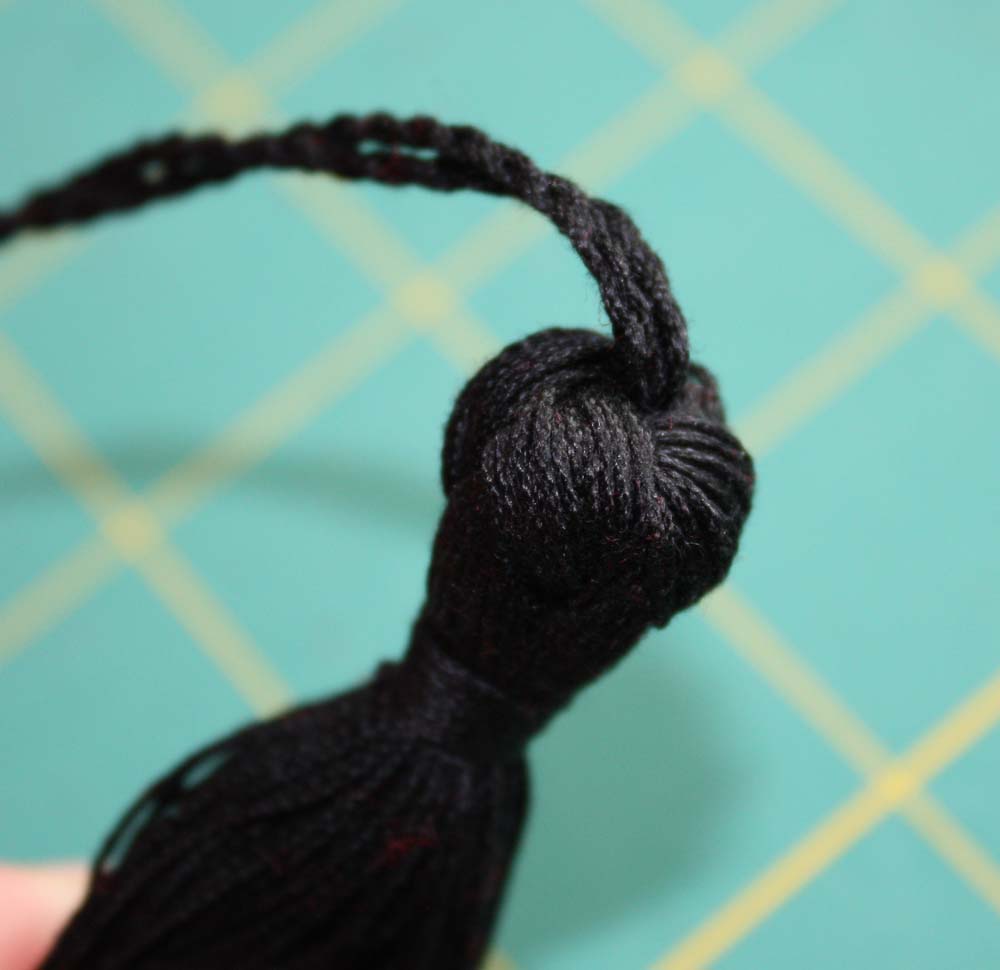
Prepare a cord and knot the loose ends. Insert the cord before you tighten the tassel knot. Take a thread and wrap several times around the tassel. Secure end of that thread with a knot and some stitches with a needle. Trim tassel evenly.

IMG_3241


Finished!

IMG_3257


Skirt fastening with hooks and eyes for sheer fabrics

To prevent showing casting stitches on the outside of the fabric French seams or flat felled seams are used to join sheer fabrics. I´ll show you a fastening for a skirt with a placket to be closed with hooks and eyes. Of course it can be used with heavier fabrics too.


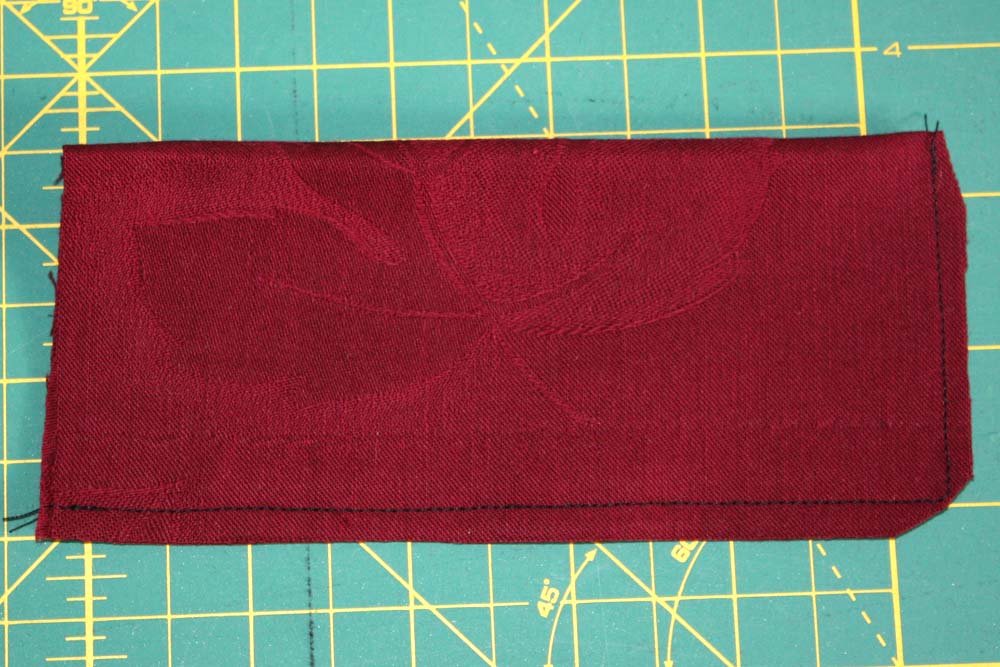
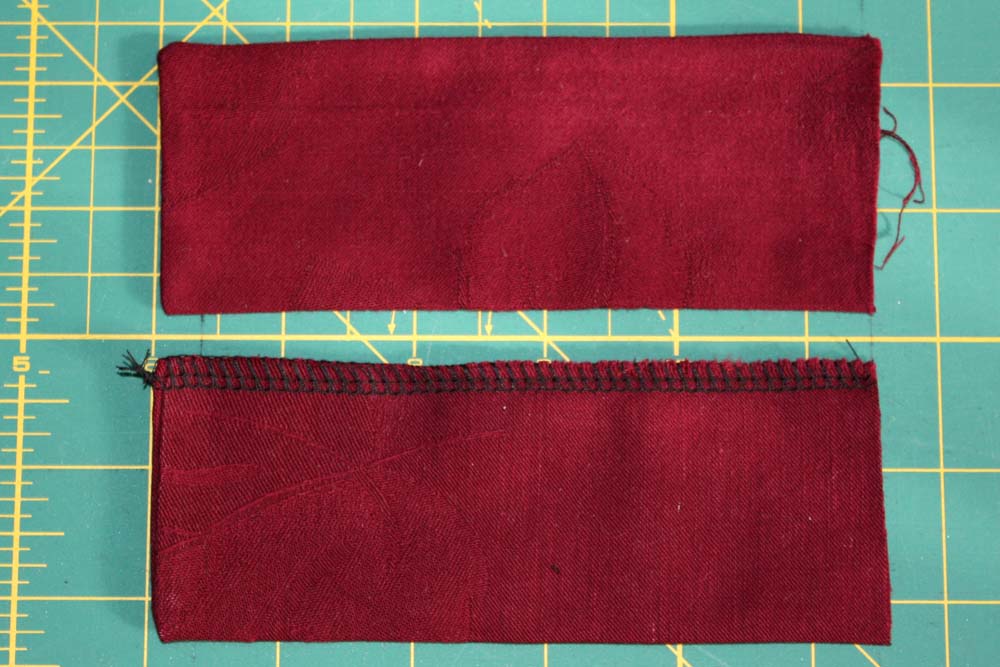
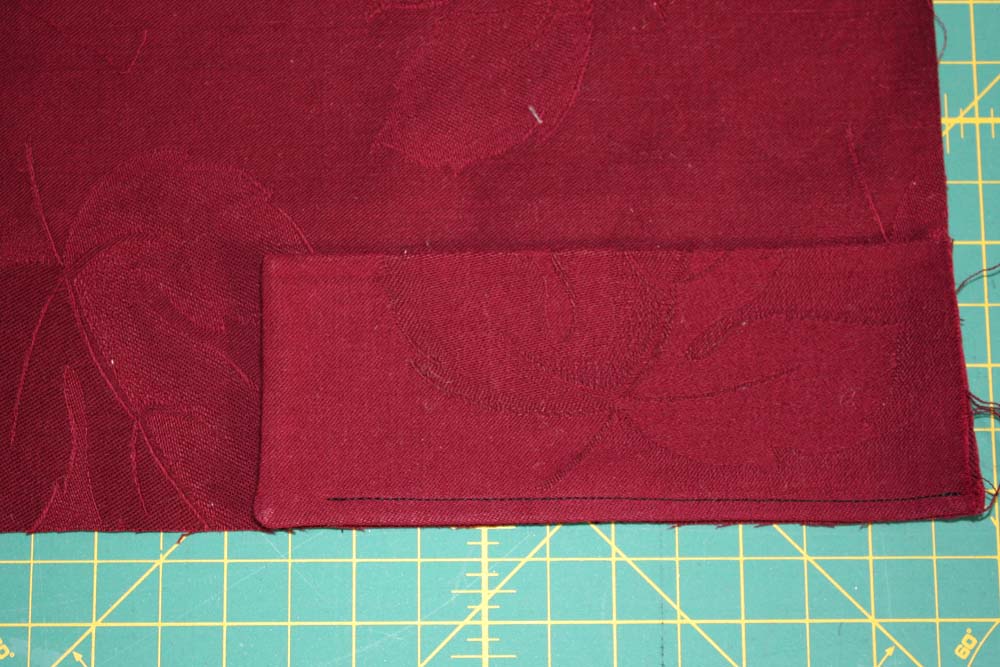
Fold the placket lengthwise right sides together. Sew along the bottom edge and along the long edge. Trim seam allowance, turn inside out and press. The width now should be the desired width of the placket e.g. 1 5/8” (4cm) + 5/8” (1,5cm). On the pic you see an overlock casted placket for comparison.


IMG_3141

IMG_3142


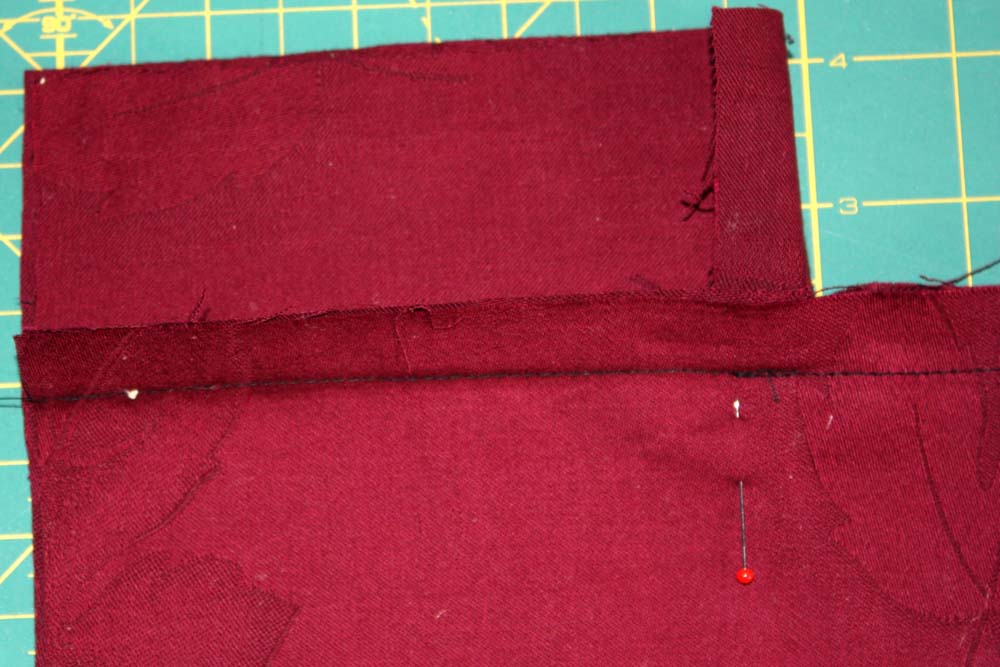
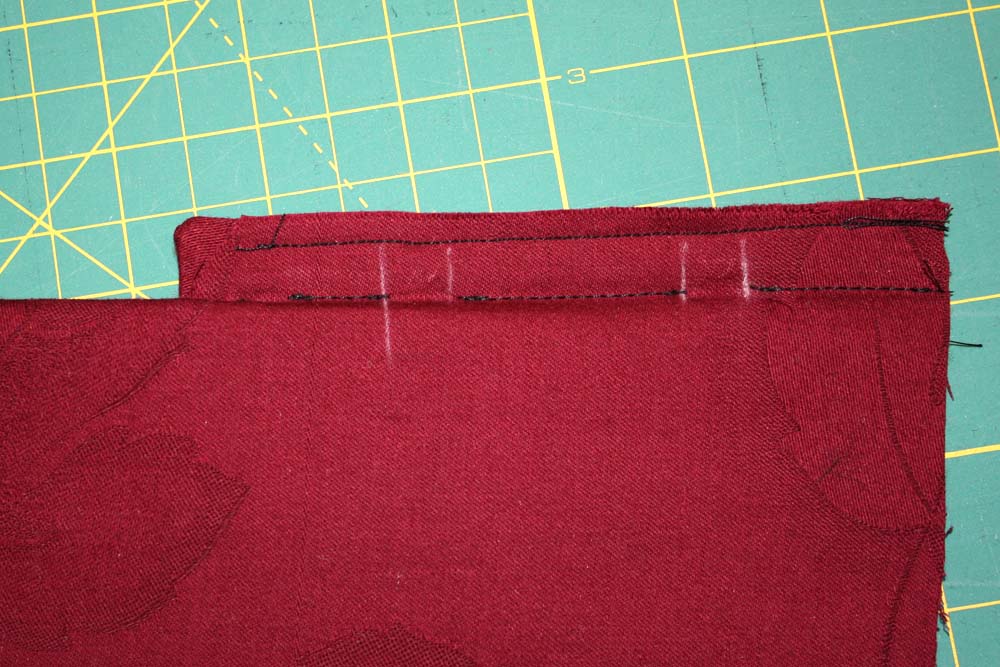
Mark seam allowance (5/8” (1,5cm)) at the right side of the placket and line up with the skirt edge, right sides together. Sew together close to the edge; stop about 5/8” (1,5cm) away from the bottom edge of the placket. Unfold the placket, mark position of eyes and sew them to the placket by hand so that they ride out just a little bit the sewing line.

IMG_3144

IMG_3146


Sew the facing to the other edge of the skirt. Line up with the edge, right sides together, fold up seam allowance of the bottom edge of the facing and sew.
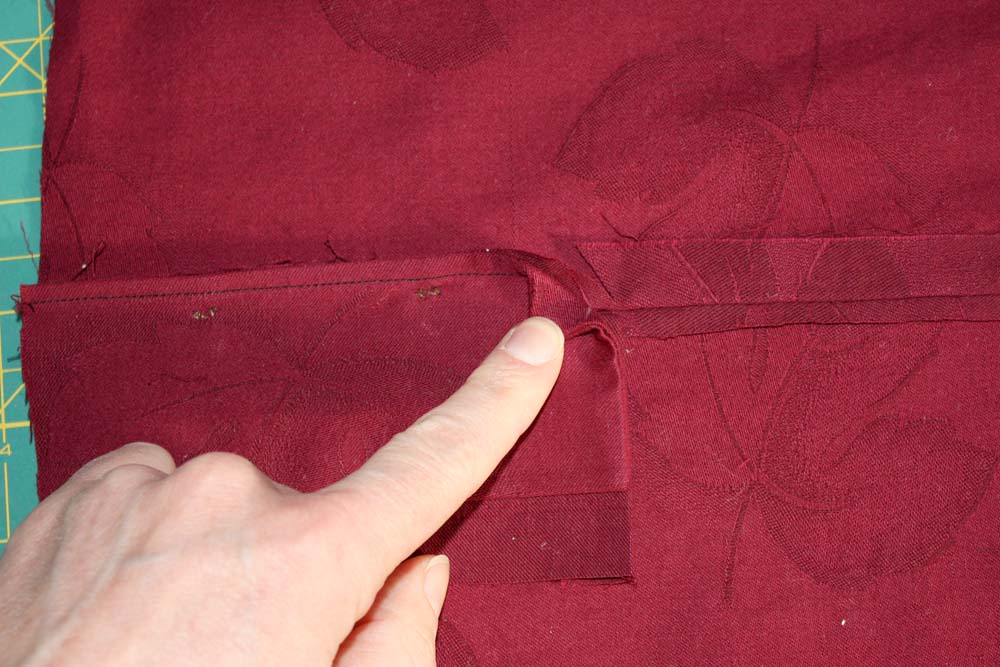
Close skirt seam, line up edges exactly and pin together, fold away placket and facing, sew. The seam ends a little bit above the facing seam, take care not to catch the placket of facing while sewing.

IMG_3148

IMG_3149


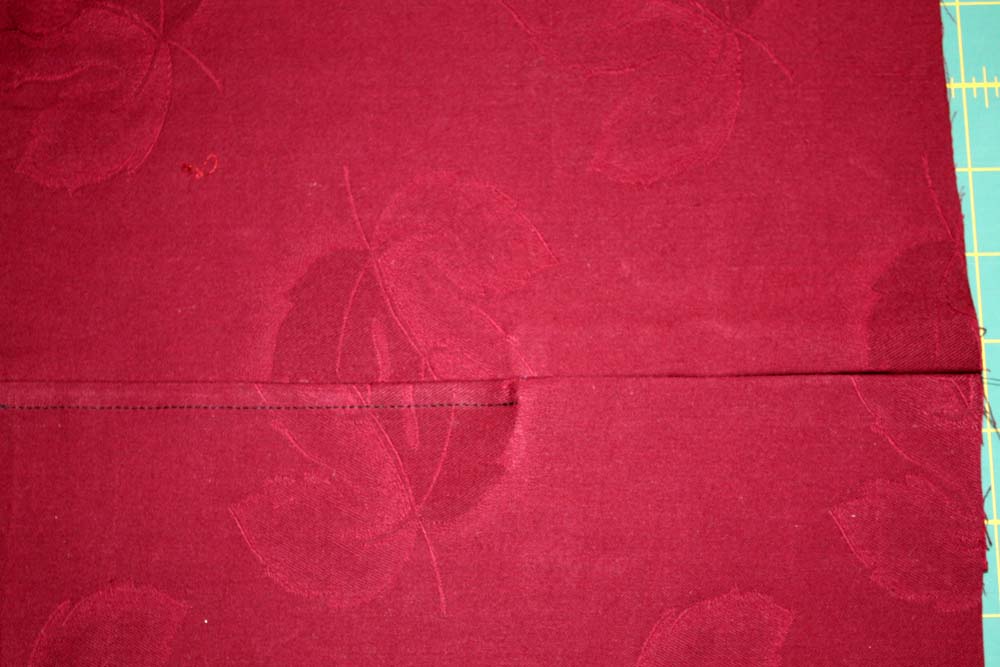
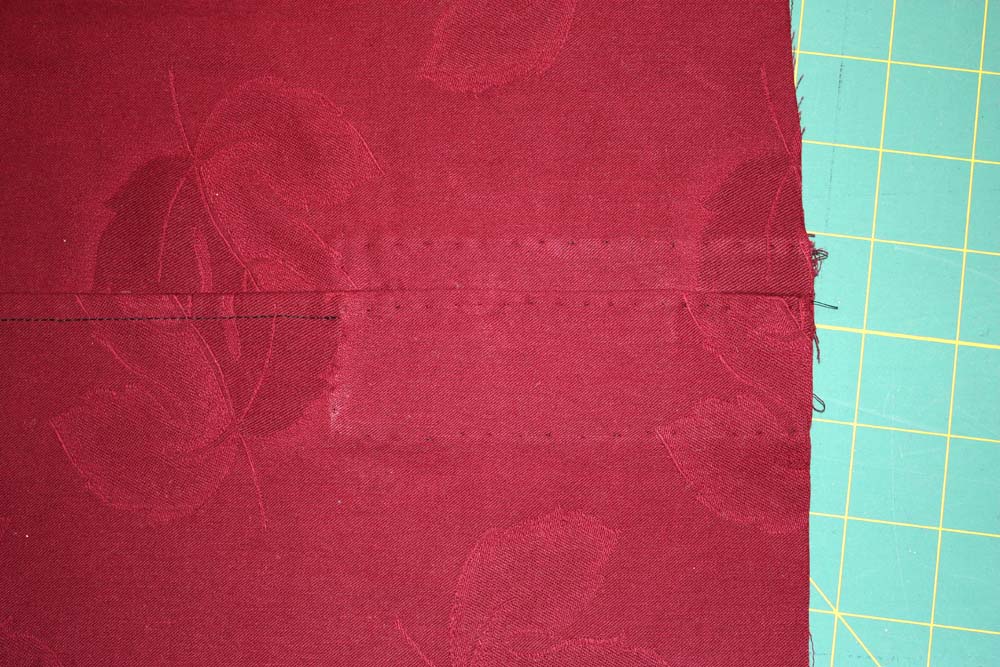
Press open seam allowance; clip on the placket side towards seam end. Trim seam allowance on the side of the facing to ¼” (0,5) cm. Fold seam allowance of the placket side over the trimmed seam allowance of the facing side to get a flat felled seam, sew.
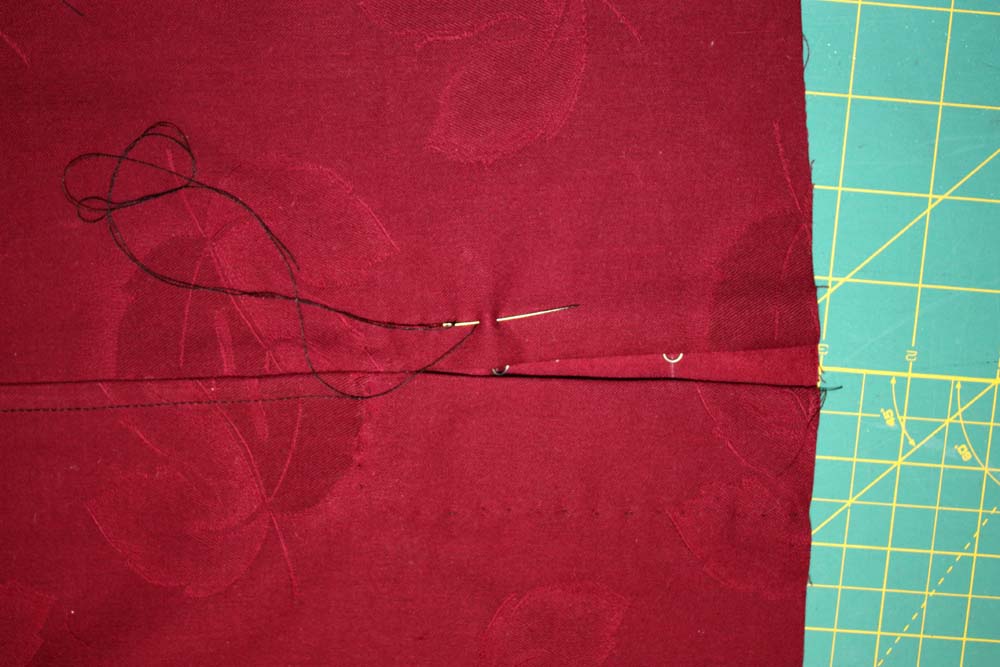
Fold skirt at the placket aside and mark position of eyes. Sew along the seam line. Skip eyes, lock seam before and after. If you want a continuous seam use your hand wheel for not breaking the needle. Press edge carefully.

IMG_3151

IMG_3152

IMG_3154


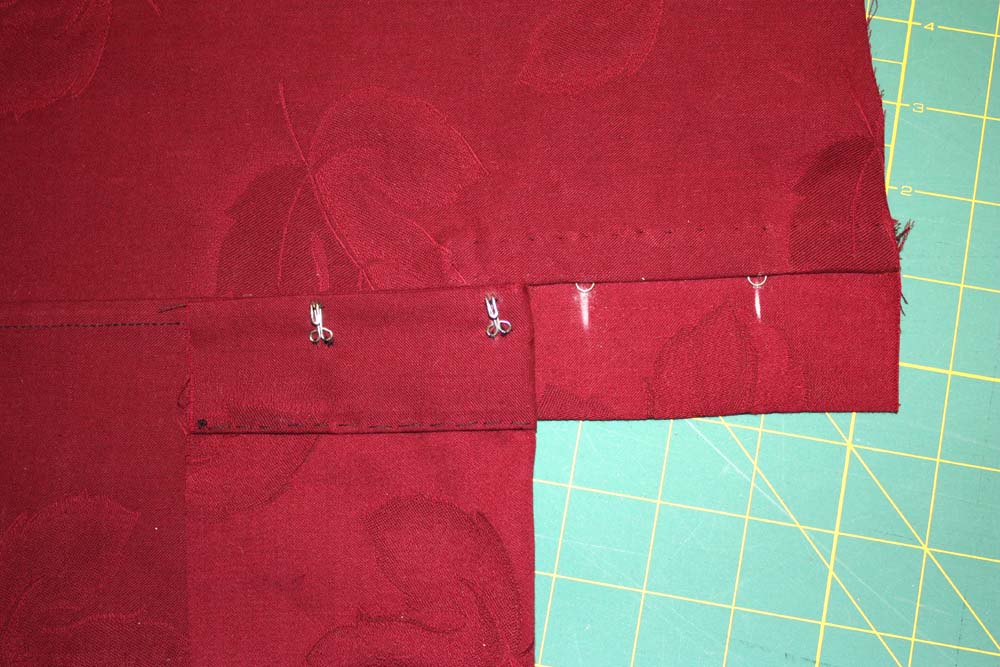
Fold in raw edge of facing. Sew facing, bottom edge and Seam allowance of placket through all layers with small pointed stitches.
Mark position of hooks and sew only to the facing. If wanted sew along the facing edge with pointed stitches for more stability.
Sew waistband as usual.

IMG_3155

IMG_3156

IMG_3159