#0119 – The white Regency/Empire Dress – Part 1 from (1) to (7) – the bodice

As I recognized lately, I never made a tutorial with detailed pictures of this dress. So that’s going to be changed at this moment.

Ever since I released the sewing pattern, I’ve received questions about how it was made, from choosing the fabric to assembling those little hand-sewing details that make it special. Today, I’m finally taking you behind the scenes—step by step, with plenty of close-up photos—to show you exactly how this dress comes together. Whether you’re planning to sew the dress or just curious about the process, this tutorial will guide you through every part. Let’s get started!

The first dress I made was from some very old Swiss lawn fabric, which, in its previous life, was my grandma’s curtain. Because of its age, the fabric is now quite fragile, so I’ve decided not to wear the dress again in order to preserve it.

When searching online, I couldn’t find a fabric exactly like it—only plain white lawn or some embroidered cotton lawn options. In the end, I chose the embroidered cotton lawn. Its striped embroidery pattern made cutting the fabric a little more interesting, as I wanted to center the stripes at the front and ensure the pattern aligned seamlessly when sewn together.

Continue reading

0119 – The white Regency/Empire Dress – Part 2 from (8) to (14) – The sleeves and skirt

Part 1 from (1) to (7) – the bodice

(8) Gather the sleeve head between the markings, make a box pleat at the bottom edge, and baste in place. Sew the sleeve seam, right sides together, and neaten with a flat felled seam.

(9) Fold the sleeve cuff lengthwise along the centerline, wrong sides together, and press the edge, reopen. Sew the cuff into a circle, right sides together. Pin the sleeve cuff to the sleeve’s bottom edge, right sides together, and sew. Trim back the seam allowances and press towards the cuff. Turn in the seam allowance along the loose edge and fold the cuff along the previously pressed edge, wrong sides together, lining up the edge with the cuff stitching. Sew with a felling stitch.  

(10) Sew the sleeve into the armhole, right sides together, matching all marks. Pull the gathering threads and spread the width evenly between Mark (5) and (6). Trim back the seam allowances to 3/8” (1cm) and neaten with an overcasting stitch.

Continue reading

0119 – The white Regency/Empire Dress – Part 3 – The Spencer

Part 1 from (1) to (7) – The bodice

Part 2 from (7) to (14) – The sleeves and skirt

Let’s continue with the Spencer, a short jacket designed to add contrast and character to the simple white dresses of the Regency era.

I used a leftover piece of hibiscus-colored silk from my stash—you might recognize it from the Bridgerton-inspired dress I made. Since there wasn’t much fabric left, I had to piece the back and omitted the train because I didn’t have enough fabric left.

While reading online reviews of this pattern, I noticed that several of you mentioned the back being quite wide and not fitting snugly—a problem I also noticed during my first fitting. To fix this, I adjusted the back pattern pieces for a closer fit and added an additional closure with a placket to the new version of the pattern.

(1) Sew together all pieces from the lining, right sides together, leaving the shoulder seam open jet. Press the seam allowances towards the side back piece.

Continue reading

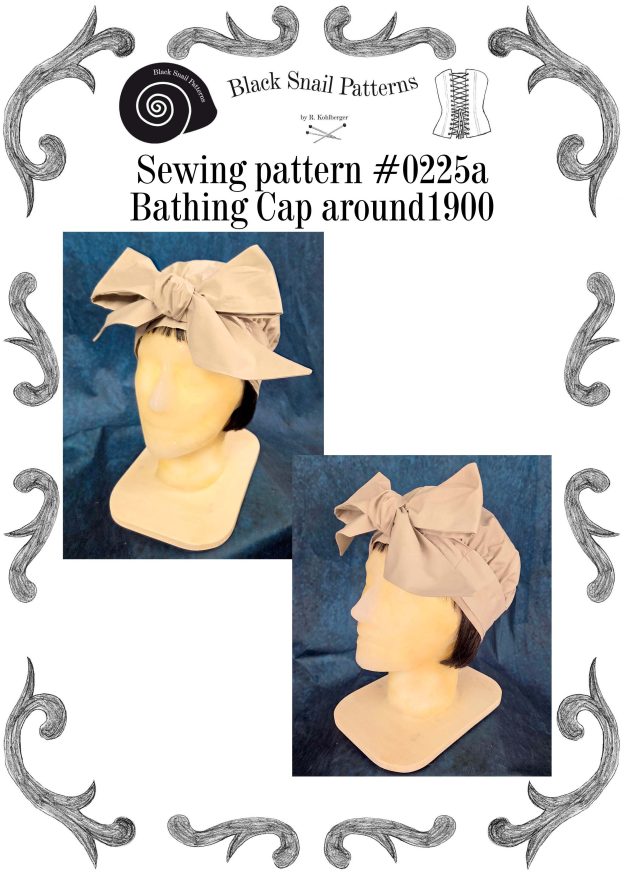
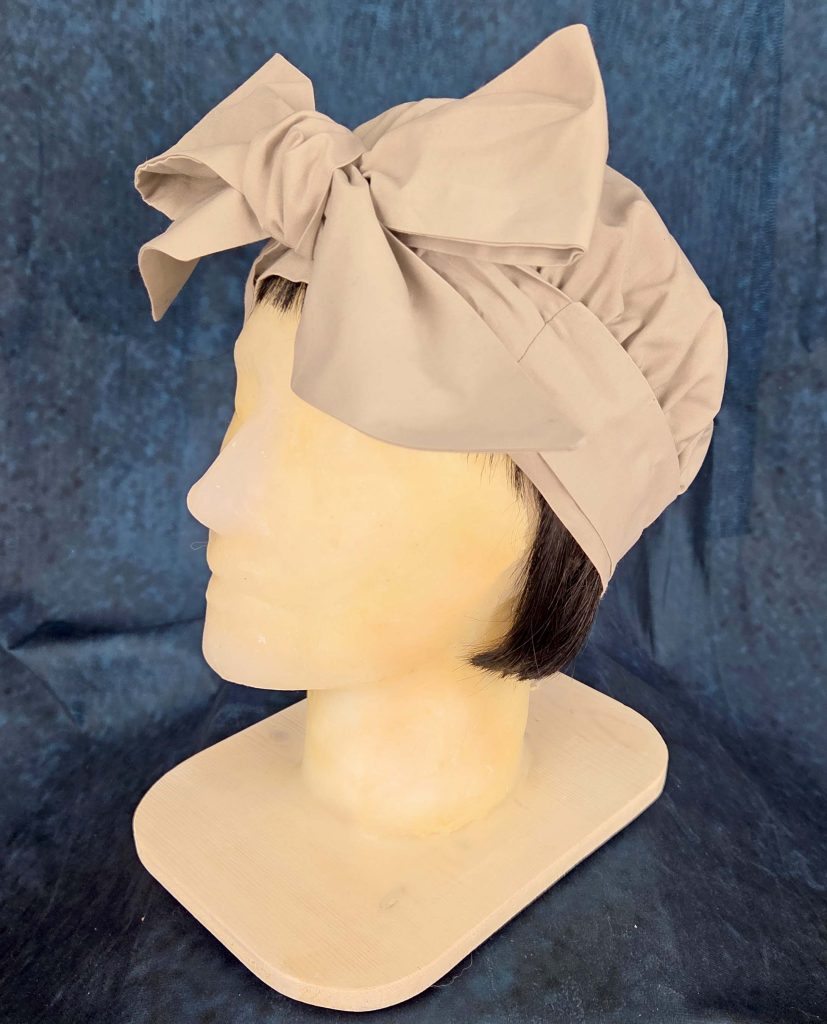
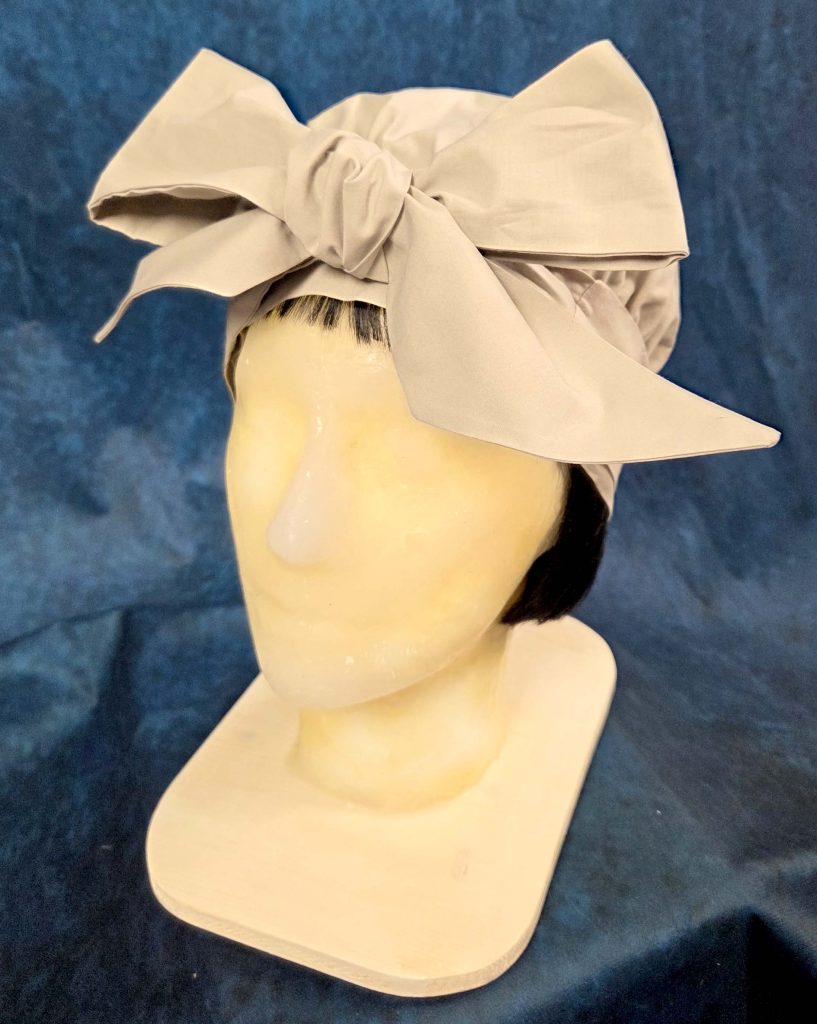
A bathing cap around 1900

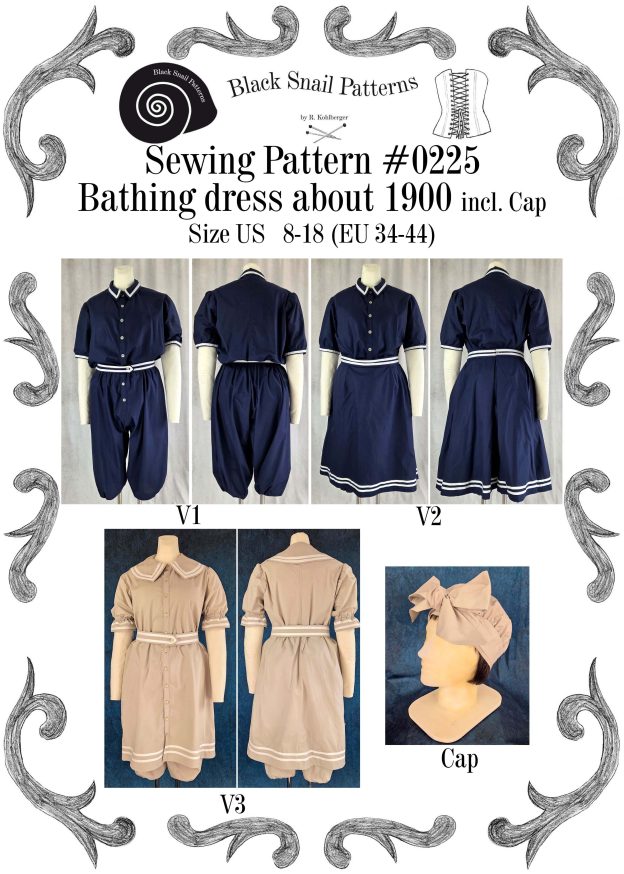
It’s been quite a while since my last post, but this time, I have something special for you—a free pattern for a bathing cap from around 1900. This cap is actually part of a larger sewing project—a full bathing dress from the same era—which I’ll be releasing soon.

I wanted to share this part early so you can get started right away, or simply enjoy making a unique accessory from the past. Stay tuned for the complete bathing dress pattern, which is coming soon!

English pattern

German pattern

I’m sorry that I only have a few pictures this time, but I hope the instructions are detailed enough to help you along and that you’ll end up with a lovely cap.

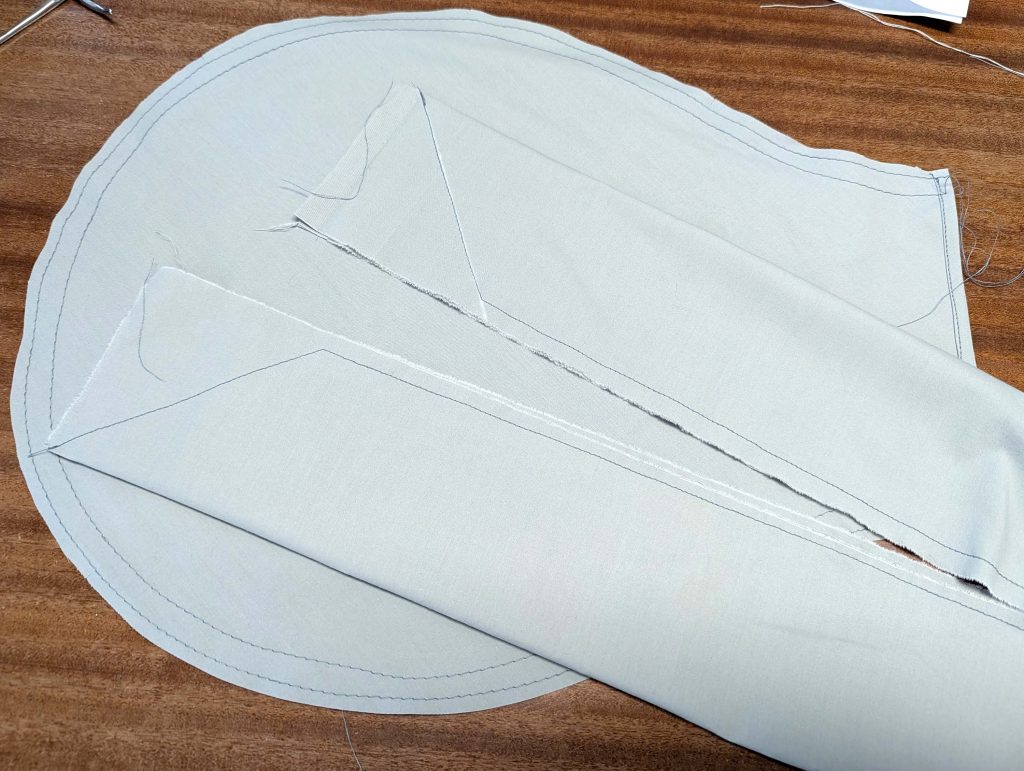
Take the top and double-turn in the straight edge narrow, stitch in place. Sew two rows of gathering threads along the curved edge. Take the strips for the bow and fold them in half lengthwise, right sides together. Sew along the angled and the long edge, reducing the stitch length at the edges. Trim back the seam allowances and turn the right way out, press.

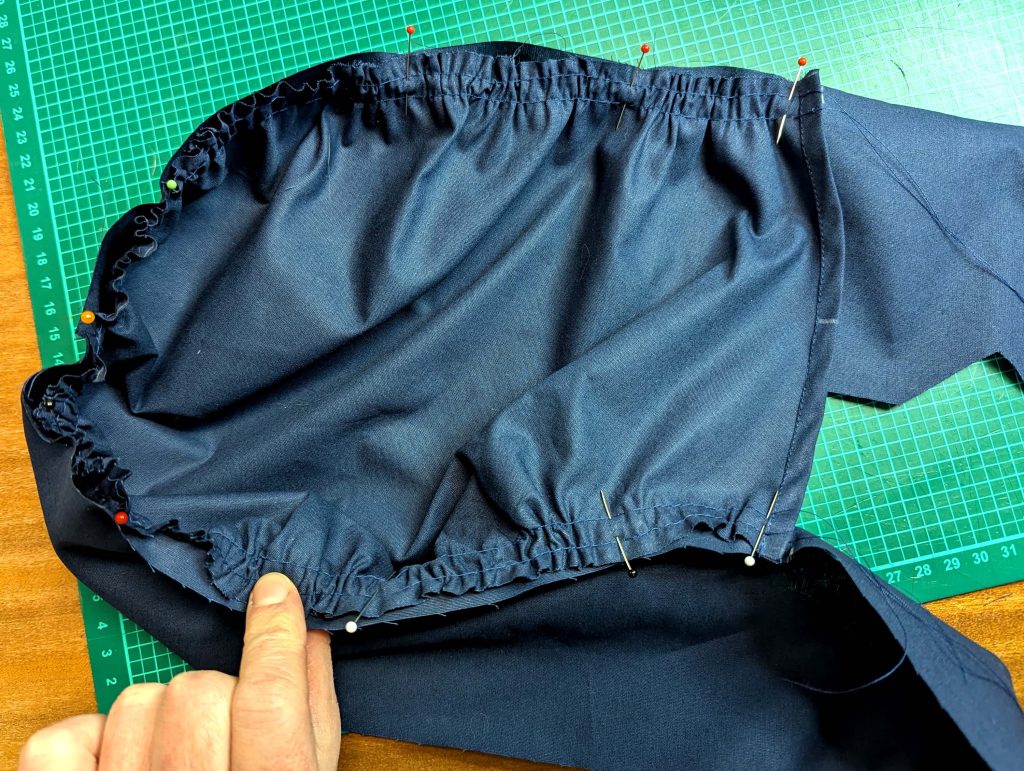
Take the headband and fold in half lengthwise, wrong sides together, press and reopen. Turn in the seam allowance along the inner edge, press and reopen.  Sew the headband to the top, matching all marks. To do so, pull the gathering threads and spread the width of the top evenly. Press the seam allowances towards the headband.

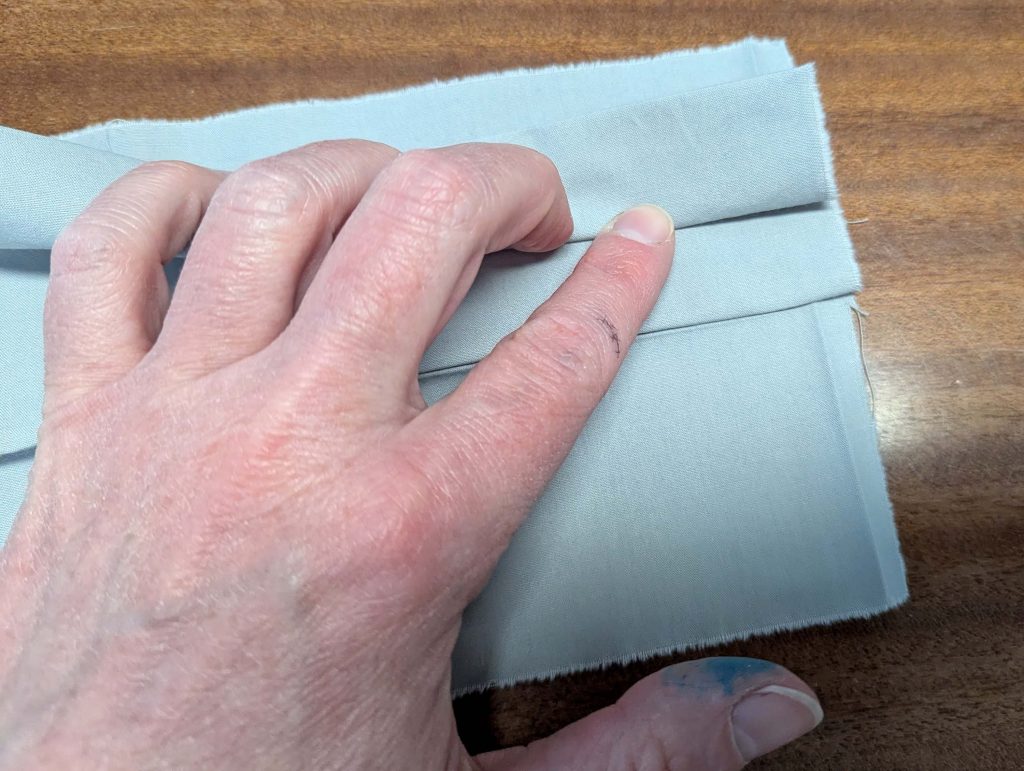
Fold the bow strips to match the width of the headband (2” (5cm)) along the open edge. Line up with the headband’s short edge, and fold the headband’s wrong sides together along the previously pressed-in edge, sandwiching the bow strip. Stitch along the short edge, then pivot and stitch down the long edge of the headband, without catching the bow strip, until reaching the top seam.

Trim back the seam allowance and turn the right way out. Press and line up the inner edge of the headband with the stitching line of the top.

Place the cap on your head, then wrap the headband around your head and tie a large bow at the front.

A bathing suit around 1900 – sewing pattern #0225 – Part 1 (The jumpsuit)

Welcome to my new tutorial! This time, I’m sharing a sewing pattern for a bathing suit from around 1900. The pattern is based on original designs and includes clear instructions to help you create your own historical bathing dress.

You can find the full pattern available for purchase in my shop. 

In the following steps, I’ll walk you through the sewing process. Each section includes tips and additional photos to help you along the way. Even if you’re new to historical sewing, this pattern is designed to guide you smoothly through each step.

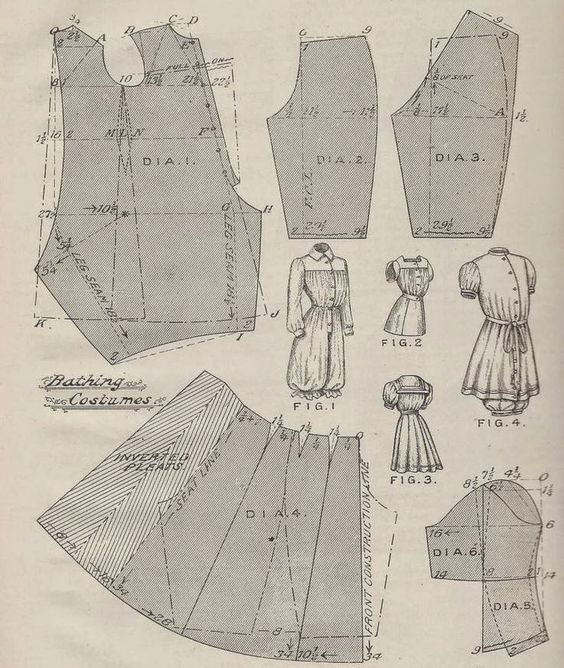
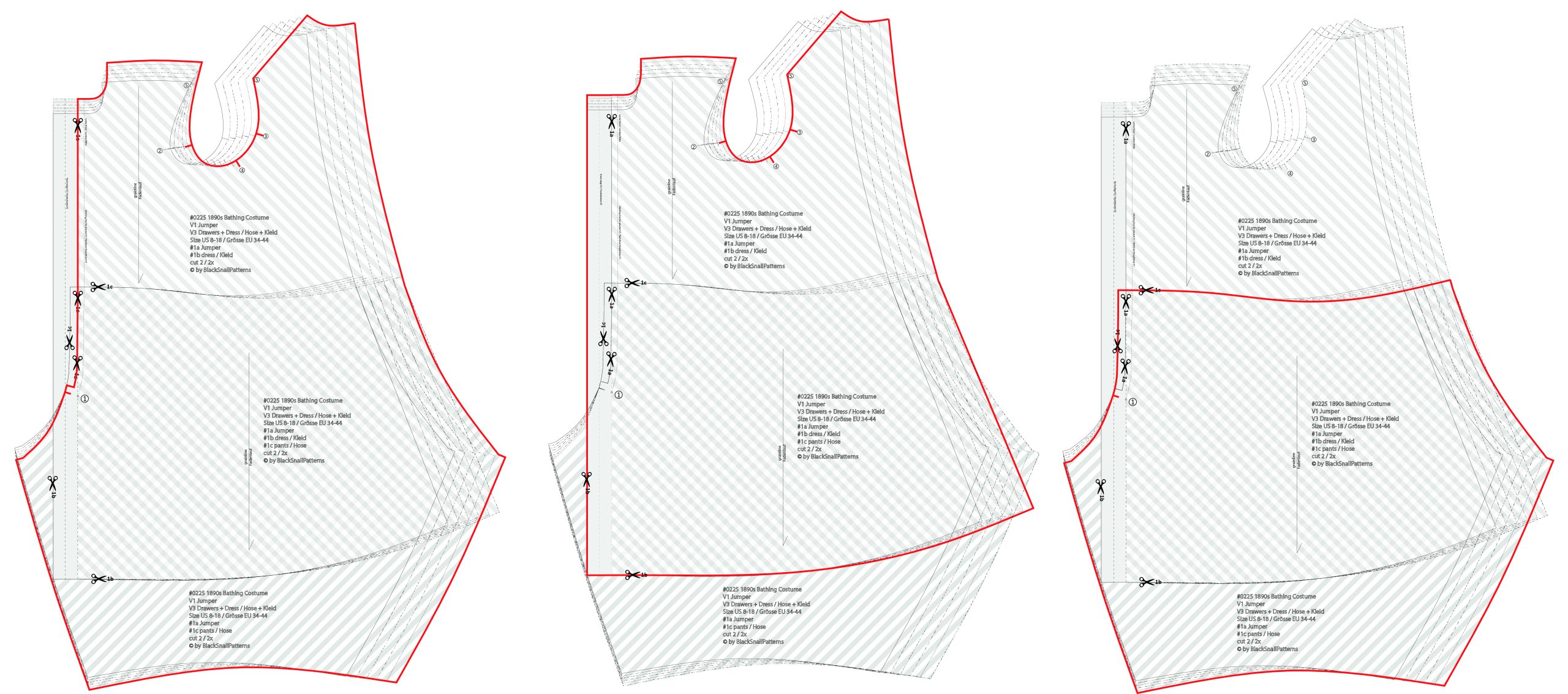
The bathing suit in my pattern is based on a fashion plate from the book “The Cutter’s Practical Guide” from about 1900, featuring three different options. The first is a loosely cut jumpsuit, worn with a belt or a skirt (Fig. 1 and 2).  The second features extra pants, a bodice, and a skirt in one piece (Fig. 4). The pattern includes two different collar and sleeve options.

Let’s start with version 1, the jumpsuit! At first glance, the pattern may seem a bit confusing, so I recommend outlining your chosen pattern pieces to get a better overview.

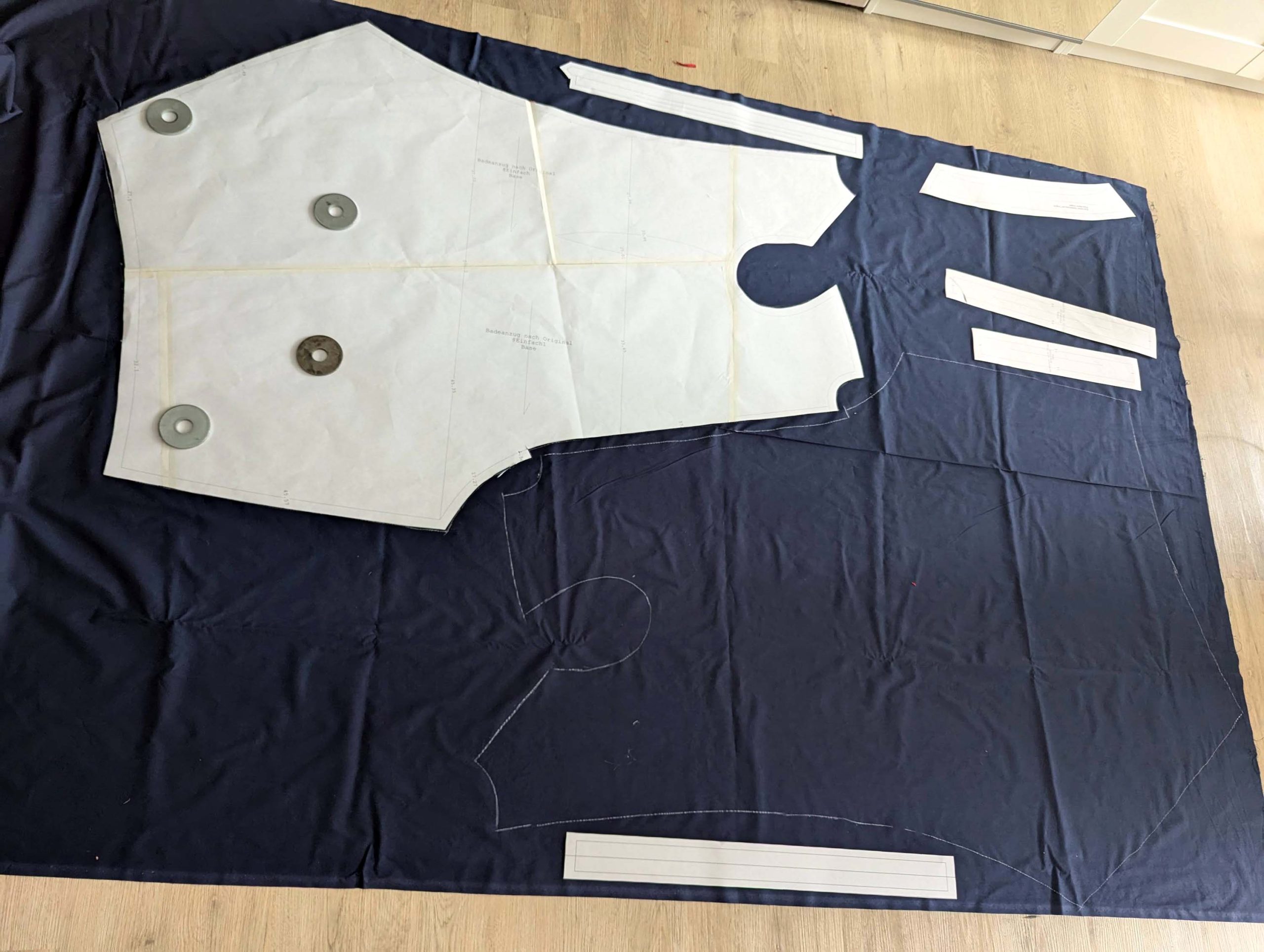
(1) All pieces of this pattern are too large to cut on folded fabric. Instead, I laid my fabric flat on the floor and cut out each piece individually.

Continue reading